Monday, July 8, 2019

Reinventing a Successful School Project (FAME costs……)


 Introduction

I have blogged for nearly ten years. I had no idea where to begin this year’s FAME reinvention. So, I referred to the two websites that had become my path through the project. Many thanks to Scott Swaaley and Mike Strong of High Tech High for their guidance, materials, and suggestions. This blog substantially follows Scott’s Apocalypto reflection structure. To the extent that successful teaching is built upon the foundation of those who came before, FAME Reinvented was successful in large part due to Scott and Mike’s vision of what a social studies project could be.

FAME Reinvented

This past December, 7th grade parents were invited to an Exhibition in the Creative Arts Center Gallery. On display were four 32” diameter wheels containing 22 wedges that represented a total reinvention of our FAME unit. FAME, Feudal Asia, Medieval Europe, is our medieval project that asks students to dive into China, Japan, the Middle East, & England concurrently. As parents and guests listened to students describe their work, my colleague, Rob van Nood and I realized there was so much more to FAME than the exhibit. We had successfully transformed what had been, by student accounts, an incredibly successful unit into one that blended Tinkering with Social Studies. The finished wheels simply didn’t capture the struggle, the doubt, the failure, and the multitude of other realities we and the students had experienced over the preceding twenty–eight days—each of which taught us many lessons for the future. Here is a modest attempt to capture our thinking and make sense out of the entire Slack discussion that took place during the project.


What We Pitched to Students

Medieval history is highlighted by the inexorable rise of new ideas/theories/inventions/movement of people. In this project, you will examine how the ideas change the way people live, compare your thinking with historical evidence, map significant changes throughout history, then create a narrative and abstract representation of your findings. You will then exhibit your work in the CAC Gallery on December 18. Here’s the short version:  How do new ideas change the way people live?.

Rethinking FAME began last February when Rob and I sketched the entire unit out on the back of an envelope. Seriously, our early discussions revolved around how to merge Rob’s tinkering skills with my project design expertise. As a film festival, FAME had completed its third year. It was clear students were pretty successful filmmakers. Change was in the air. We mulled over using programmable devices such as Spheros, riffing off Tyler Smith’s amazing Samurai Sphero Challenge project. Eventually, we brainstormed a project that would incorporate SAMLab devices, using Blockly coding. Building off Scott Swaaley and Mike Strong’s incredible Apocalypto project, we outlined a project that involved research, design, coding, and historical content. Students would create Pie Pieces that would attach, using Velcro, of course, to wooden frames. The projects would address the question of how new ideas change the way people live. Students would create abstract metaphors to illustrate their thinking.

Over the summer, we met with SamLab’s Morton Hagen who helped us provide more project definition. A general shape began to appear. We began to document our work. We had a rough design for the project. Much like baking bread, we needed to let the ideas rest and rise. The school year began. At Back to School Night, all I could explain to parents is that kids would be doing something new and cool. That was all I knew. Oh, and they were all invited to an Exhibition in the CAC Gallery in December. I barely slept that night fretting about all the details I thought we were missing. I underestimated those details ten–fold.


Doing the Project First

Rob and I teetered at the edge of the “Can we do this?” chasm. Trusting the Apocalyto team, we knew we had to create a “sample” pie piece in order to demonstrate to both kids and us that this project was possible. We realized we needed to create a piece that would not offer an “advantage” to any group. We had to pitch the possible in order to encourage students to be creative, imaginative, and historically accurate. Rob took charge of this part of the project and soon we had a working demo piece that drew oohs and aahs from students. Our pie piece also gave us the necessary credibility with students. We had shown them pie piece parameters. In time, they would go way beyond what we had created. Neither we nor students understood how significant our example was. We would refer to it over and over as the project evolved and students asked repeatedly, “Can we see your example, again?”

Tuning

Rob and I had a wealth of experience with this age and, in particular this group. Rob had been working with the class for three years teaching various programming/tinkering skills. I have tackled projects with 7th graders for many years. We knew the creative process would be messy. Throughout FAME, I consulted colleagues every step of the way. Scaffolding is an absolute must in this type of project. My English, Math, Science, Modern Language, Arts, and PE colleagues each offered advice and counsel along the way. Their wisdom was both invaluable and always served as a reminder that projects of this magnitude radiate far beyond a single classroom or subject. As the project unfolded, Rob and I checked daily with each other, reflecting on successes, failures, and future needs. Mostly, I think we were attempting to keep one another sane in the midst of the chaos and learning that made up our daily surroundings.


Reflections

This project forced Rob and me to rethink content and programming in ways we had never considered. As our understanding evolved, we were able to have even deeper conversations with students. For example, one pie group carefully explained how the compass changed people’s life. We pushed back asking them to explain their thinking. The students came to understand the compass was a crucial tool in Silk Road trade, and that it was trade, not the compass that changed people’s life. I hadn’t encountered this level of analysis in over twenty years of social studies projects.  

Rob and I continually discussed the concept of failure in this project. Would all the pie pieces be complete by the exhibition? How would we counsel students who just couldn’t get all the pieces working? As the exhibition approached, students began looking at ways to simplify their projects. Student focus increased as projects took shape, setbacks became speed bumps to get over. When students approached us with the inevitable “it isn’t working” questions, we asked what had been attempted so far and what students thought should be done next. This led to even deeper content understanding as students puzzled through how to explain their thinking even when the programming wasn’t working or the tinkering solutions required constant fixing.


The Trials and Tribulations of Group Work

FAME is student led. Group Leaders divided kids into research groups with the promise that research groups would not be pie piece groups. Seventh graders are all too familiar with the inequalities that often arise in group work. I coach Group Leaders from the sidelines, but, in the end, I abide by their decisions, even when I might have decided differently. This empowers both leaders and groups. Groups respect their leaders who are always transparent about how decisions are made. For the pie piece groups, the four sets of Group Leaders used four different decision-making strategies to create their groups. Of the subsequent 22 groups, only three ended up requiring major adult intervention. One of those groups managed to work together, the other two did not survive their group experience.


Division of Labor in Student Groups

Similar to Apocalypto, we were concerned about how students would work together. We really didn’t want kids to become specialists. We created 3 roles, builder, designer/artist, and coder. We asked each kid to spend at least two days in each role. While we never followed up in any formal way, we observed kids trying to abide by this guideline. Yes, some kids became the coding experts, others became experts in Carvey (CNC Lathe) use, still others were the vinyl cutter experts. In the middle of the project, we asked kids to self-assess areas of expertise. They created an online knowledge base of experts that groups could consult when help was needed and neither Paul nor Rob were available.

As exhibition time neared, groups began to “finish.” Once a group was “done” kids began helping those who needed a bit more assistance. The whole project evolved from a competitive, our piece is cooler than your piece, to a hey, we can all finish, let’s go! effort. The final night prior to the exhibition was the only night Rob and I decided we needed to stay after school to allow kids more work time. The comradery that afternoon was heart-warming to observe. When we finally turned out the lights, we thought we knew the whereabouts of all 22 wedges. We had no idea….


More Than Tinkering

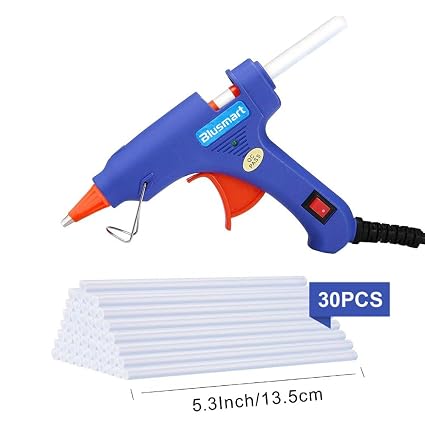
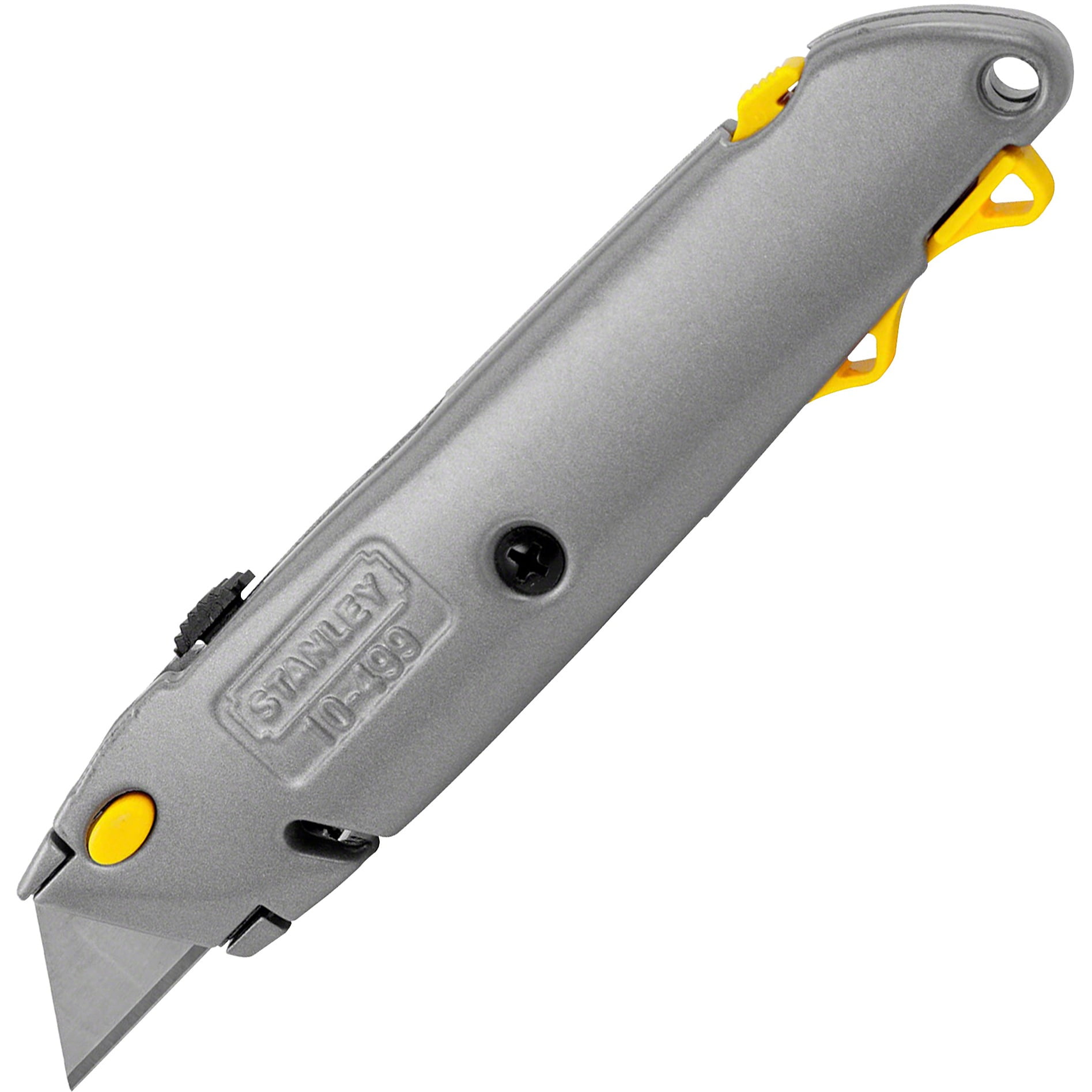
Almost as soon as students read the green sheets explaining the project, they began asking design questions. This opened up whole new avenues of thinking and tools that might be used to help fabricate the final pieces. Pop-Up books provided even more creative impetus than our one example piece. While books have their place, online guidance provided even more thought-provoking options. Rob and I thought we had the necessary infrastructure in place at the beginning of FAME. As groups began designing/creating, we struggled to keep up. Most of our school’s maker equipment, including vinyl cutter, Carvey, drills, glue guns, sandpaper, old file fasteners, utility knives, and the like found their way into student hands. Our creative space began to look like a disheveled Home Depot. Here are a few photos that tell the story far better than I can describe. Exhibition finally arrived, exactly 28 school days after we had begun our adventure. Gaggles of students gathered around their wheels to begin the nerve-wracking process of connecting all the SAMLab devices. Everything worked, with a bit of final tinkering, of course. Students explained their pie pieces to parents and other gathered adults. Kids ably explained not only the design process, they included the content of how new ideas changed the way people lived. We could not have designed a better assessment of all the skills kids acquired, tested, tried on, or experimented with over the course of FAME.


Document, Document, Document

Rob and I kept telling each other we needed to document FAME progress. We used Slack to share with an ever-increasing audience, keep one another informed, and to seek assistance from folks when we ran into technical issues. Slack channels allowed us to share, in real time, successes, failures, speed bumps, and wahoo moments. As I write now, I miss the frenzy of FAME, of kids learning, of adults learning, of both learning together. This is only the beginning of our documentation. More to come……


When Collaboration Works…

At my school, as the sole 7th grade social studies teacher, I have complete control over my curriculum. FAME was different this year in that I shared the space with Rob. He brought his tinkering talent and experimental lens into a project that, previously, had been heavy on arts and humanities. After every meeting, we each had to do lists. We embraced one another’s strengths and bridged our weaknesses. Students benefitted from conversations with both of us as we pushed them in different ways. I pushed content relentlessly while Rob helped kids create ever more elegant solutions and, perhaps more importantly, share those solutions with their peers. The final exhibited wheels were a long way from our initial conversations which was further proof that we remained flexible as kids demonstrated creativity, design revision, unflagging enthusiasm, and willingness to fail over and over again.


No Right Answers (
Full Disclosure: this paragraph has hardly been changed from Scott and Mike’s original. Rob and I arrived at the similar conclusions)

FAME never has a right answer. Each pie piece was one of a kind, as was each theory of how new ideas change the way people live. Our most common answers to student questions were things like: “seems reasonable, try it,” “I have no idea,” or “What have you already tried.” The beauty was that we didn’t know the answers – we were solving everything together. The fact that Rob and I were equally willing to experiment, fail, and try again created a culture of persistence and innovation that modeled what we hoped seventh graders would emulate. They did.

Testing Limits

FAME Reinvented tested (and maybe even exceeded) student limits on this project. Each student has fond memories of what they and their group accomplished. In the end, students bound together to create something that is receiving recognition and they are extremely proud of what they accomplished. We will know students have learned the lessons of FAME the next time they are faced with a project that seems overwhelming or a task that seems impossible. Debbie Allen said, “You want fame? Well, fame costs, and right here is where you start paying. In sweat." FAME Reinvented was worth the sweat and the cost.

Thursday, March 7, 2019

Loyalty

Blog post                                    
Feb 6, 2019
Loyalty
Today I will be talking about loyalty and how it affects my life. Loyalty is very important to me because to me it is why friendships are a thing. According to the Merriam Webster Dictionary is faithful to a cause or ideal. This is a valid definition but I think it means much much more because it makes or breaks friendships. If I were to make a definition I would say that loyalty is the best policy. Loyalty was the first thing to grace the earth and has been carried forever. This was very important in medieval times because they had to trust each other they spent every hour together. Loyalty also means honesty and that is also very important because it just makes you a better person people will also like you more if you are honest and loyal.

This may not be the most interesting and I am not the best writer in the world but I just want to push out the message that having people that you trust and people who you are close too. I know this is very short and not well written but I hope you get the point.                                                                                                                                                                                                                                                                                                                                                                                                                                                                                                                                                                                                                                                                                                                                                                                    

Tuesday, March 5, 2019

Drones and Cameras

So. Drones and cameras. what about them? Well, they're a really big invasion of privacy. Sure, there are benefits of drones and cameras, but what about when they are in a public space? Better yet, what if they're on our phones? When people use their phones, they raise their phones in front of them, and that makes it super easy to take a picture of someone without them knowing. You're looking at Instagram for all they know. First of all, it's super illegal to take a picture of them without permission, and second, it's just ethically wrong. And with that picture, you can do so many things to share that photo (which is also illegal). You can text it, show people in person, post it to countless social media sites, print it, etc. But what if we forgot about that kind of stuff. What if we focused on the government doing these sorts of things. Well, surprise! They already are. The government has total access to all of your computers, phones, cameras, watches, and smart home AI. The government has the right to access your webcams and phone cameras if they have a warrant that says so. They can even sell your information to companies like Apple, Samsung, Nike, Microsoft, Sony, and much more. And sure, they could keep on doing this, but they can also use it for keeping us safe. And they already do. Why do you think there are security cameras? They're for catching people committing crimes, right? but why are those cameras any different from your personal ones? Why wouldn't they be able to get access to those cameras to sell information? So even if you cover up your webcam with tape, sell your cameras, flip over your phone, they can still see you. I know it sounds creepy, but we are being watched 24/7 by store cameras, ATM's, traffic cameras, drones, things like Echo Show, and even doorbells. And that's just the tip of the iceberg. I expect, that 50 years from now, we will have drones surveying parks, streets, police precincts, fire stations, etc. Amazon is already working on delivering packages using drones, and who knows what else drones will be used for. Maybe I'm being paranoid, but AI is creepy.

Procrastination is a BIG Problem

Hi, I’m a student at Catlin Gabel, and I have a BIG problem. That problem is procrastination.
Procrastination has been a problem with students for a long, long time. This dilemma goes
back to 700 B.C. I’m serious! It all started with a Greek poet of the name of Hesoid. He had
put off all his writing to do the next day, and that’s what he wrote about. The poem was:

“Do not put your work off till to-morrow and the day after; for a sluggish worker does not fill his barn,
nor one who puts off his work: industry makes work go well, but a man who puts off work is always
at hand-grips with ruin.”


Our friend Hesoid was not the only one who struggles with procrastination,
the Blue Banner website did a study about how many college students procrastinate, about
90% - 95% of ALL college students procrastinate when doing school work.  When you step back
and take a moment to think about it, you realize that it is a very big problem.
Procrastination can also be the cause of other things beside bad grades, it can lead to
anxiety as well. For example, this year in math class, I have procrastinated quite a bit, and
it has lead to my anxiety and loss of sleep for me. I also know of many other students who
suffer from the same problem as me. The reason I like cultures class so much is because
I got to be better at not procrastinating. When I came to Catlin Gabel in 6th grade, I was
introduced to a new academic subject called Humanities. I knew it was basically history but
the new name threw me off. I thought it was a crazy new thing. The first few projects were
small, and pretty easy, but about four months in we were introduced to the main project, and
it was called R.I.C.E., standing for Rome, India, China, and Egypt. We had to research about
the history of the civilization that we chose, and eventually had to present a project in front of
parents. The teacher gave us a list of things that we had to do, and a due date and that was
pretty much it. We had to plan out when we were going to do it and how. Ours teacher gave
us almost every class just as a free period to work. I didn’t take the work periods seriously,
and I procrastinated SO MUCH. It came up to the last week of the project and I had to cram a
month of work into ONE WEEK. I was very stressed and I only worked in Humanities the whole
week, but I pulled it off. That week was one of the most stressful weeks of my life, and I
learned to STOP procrastinating.


Now, in 7th grade, we had two projects just like R.I.C.E., and I got through them just fine.
I am a lot more organized and less stressed, and I have 6th grade Humanities to thank for
that.


https://www.verywellmind.com/the-psychology-of-procrastination-2795944

Photo Credits: http://wittywinks.com/procrastination-a-step-by-step-guide-to-stop-
https://procrastination.com/what-is-procrastination

The Origins of Binary and Morse Code


Codes have influenced the world in major ways such as allowing computers to function or to hide messages. I am going to talk about the origins of some of the codes that started them all.  One of the first codes ever made was binary code invented by Gottfried Leibniz in 1689. Binary code is a string of bits that with 1's and 0's represent numbers or letters. Each bit is represented by 1's and 0's that correspond if the bit is on or off. 1 is on and 0 is off. In a string of binary, each bit has a value that is a power of 2 and can make any number. The first bit is 1, the next 2 ,the third is 4 and so on. Using this you can make any number. An example 101010 would be 42. The ASCII ( American Standard Code for Information Interchange) has made a key to for all of the letters and digits used. Binary also lead to the invention of braille which is the same thing as binary because each grid had 6 dots with 2 states raised and not raised. Braille allows blind people are able to read.
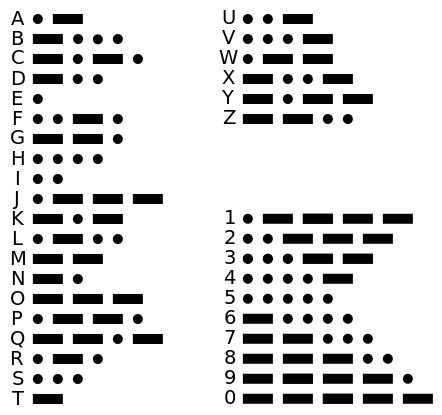
Morse code was one of the first codes that could be used to communicate. It was made by Samuel F. B. Morse in 1836 and was used with the telegraph which he also made. It was able to communicate messages by changing the electric pulses. Morse code is made with a sequence of dots and dashes. Each letter of the alphabet has a different order of the dashes and dots. The Morse code is made so the most used letters have the shortest code.  


Monday, March 4, 2019

Short Story: The Truth About My Family History

My dad’s great grandparents came from Lithuania went through Ellis Island. Their last name was Lithuanian, but translated to English as “red man”, so that is what they told the immigration officials.
However, their thick accents sounded like Rutman, and so the name was changed.
Then they went to Cleveland and started a kosher wine business during Prohibition, which is the law that prevented the sale of alcohol. But a religious exemption allowed kosher wine, so they could sell that. My great grandfather and his brothers all worked in the wine business. My great grandmother’s grandfather was an educator and taught in religious school. His wife died in childbirth, so my grandmother was raised by her tyrannical aunt, who mistreated her. Her aunt was religiously strict, and therefore my great grandmother associated religious strictness with tyranny, so she was anti-religious. My grandparents met in Cleveland in elementary school and met again in college, where they started dating. A lot of my dad’s childhood immediate family moved to Israel, and both of my grandparents have relatives there. My grandparents met again in Boston while they were in college. They married while my grandma was in grad school, and their first kid was born when my grandma was still in grad school. father residency in Maryland, they moved to San Antonio to start a medical practice, where my dad sister and two brothers were born. My grandparents always planned on moving to Israel. They were planning on staying for five years, then moving to Israel, but they ended up not going to Israel until they turned 60.

My mom grew up in Houston, and both her parents were public school teachers. Her mom taught science and her dad taught physics. Their family was originally from Kansas, where my grandparents still live, and both of them mostly grew up there. Then they both went to Boston, where they met, then Wisconsin, where my uncle was born and still lives, and then Texas, where my mom was born. John is a name that runs in the family. Both my grandad and my uncle are named John E. Beam, and I have a great uncle John. My great great grandmother moved around a lot because my great great grandfather was in the newspaper business, and he would move around for the stories first, and then my great great grandmother would pack up all their stuff and the kids and get on a train and go to wherever he was. My great great uncle Henry was a Lieutenant with the Medical Corps part of the Navy, and he was a director of the red cross at the end of WWII. He also was a surgeon in the war front to help injured soldiers. Because blood was hard to transport because it needed specific temperatures, people were dying from blood loss. So he created a prototype for an insulated box that could hold blood which led to more reliable versions of this. It completely changed how people survived because they only had plasma before, which helps stop bleeding but it doesn’t replenish blood. So if people had already bled too much, there was nothing that could be done. But now they could replenish their blood which would save a lot of people. He also founded the Topeka Blood Bank. Funnily enough, my grandparents live about half an hour away from Topeka currently.

Image1credit
Image2credit
Image3+4credit


Life Without Pets


Ever since I can remember I have wanted a pet. I used to have a pet fish named Goldie but it sadly died. Goldie was fun when I was younger before I realized there were pets you could actually hold and play with. When I was younger I would always dream of owning a pet horse in my backyard. I soon realized that wasn’t going to happen. I had also always wanted a dog but at this point, it didn’t matter what kind of pet I got I just wanted one. Bunnies, dogs, turtles, fish, cats so many pets and I didn’t have a single one. All of my friends are always talking about the cute things their pets did while I just stand there not being able to contribute to the conversation.
About 3 years ago my older sister got a bunny, it was the cutest thing ever she wouldn’t let me or my younger sister hold it at all. She only had it for two days though before we had to take it back because we found out my mom is allergic to bunnies and cats. So those two pets were off the list but that was okay because we could still get a dog if only my parents would let us. My older sister and I tried so hard to convince my parents to let us get a dog but they would always say that we needed to show them we were responsible. They were basically only telling my older sister that though since I'm the responsible one. We also tried telling them how pets made people happier and improved their health. A survey showed that 65% of U.S. households own a pet. That didn't really convince them. Right now we still don’t have any pets but hopefully, we will be able to get one very soon.

your pet will die.

People says a dogs a mans best friend, and while a dog is just a part of your life, you are a dog's whole life. I believe both of these are true. I have a 4 year old Bernese mountain dog. It took a long time to convince my parents that we needed a dog, because they believed that we would eventually stop paying it attention. But, after years of begging, they finally agreed to get us two big bernese mountain dogs. We named the dogs Cooper and Biscuit. The two dogs were brothers with contradicting personalities. Biscuit was a adventure enthusiast to say the least. He was always looking for a way to make a mess, no matter where he was. Biscuit loved to meet other dogs or go running in the mud. Cooper, on the other hand, had no interest whatsoever in interacting with other dogs. In fact, most dogs terrified him. Whenever other dogs bark, he tries to hide behind you not realizing he is triple your size. He prefers to play with small cats and other animals. Cooper's favorite thing to do is sit on people's lap, cuddle, and eat socks. Though the two dogs were polar opposites, they still loved each other. Biscuit would always run away, finding hidden creeks and visiting other people’s houses. Eventually, when cooper developed the confidence too, he would trail biscuit. This became practically an everyday event. We would have to drive to our neighbors house, where he would stash away the two mischievous puppies in the backyard. Our parents soon realized that this was to much to handle alongside four kids, so we had to give away Biscuit to some family friend’s who were looking for a dog. Giving away biscuit was very hard for all of us, but i now know that it was the right thing to do.
(they are only behing gates because they were still being potty trained, hence the towels 
I also have had many cats. Our first cat was named smokey, he was a small grey cat. We named her Smokey because he looked like he was covered in ash. Smokey was very skittish, and did not like to be touched. Eventually, we realised that Smokey seemed to have lost her appetite, and wouldn't do anything all day. We were told this is because he was feeling extremely lonely, and due to he fear of people wasn't much we could do. So, we got Smokey a brother. This seemed to cheer her up immediately. Our new cat was a fat, cross-eyed, siamese. We named this fat cat marshmellow, because he looked like one. All was going well, until one day we couldn't find smokey. This worried all of us, because we knew he could have easily been attacked by coyotes. After looking around for a little while, we found him stuck in the pond. he had been there all night, and was soaked. He had fallen unconscious. We took her to the vet right away, where they told us he had had a heart attack. Sadly, he passed away. We had once had 4 pets, and were now down to only 2. Losing two animals that i had loved so much was the hardest part of owning a pet. When you get a pet, just know that it is gonna die one day

Robespierre's Brief Triumph

Image result for robespierre

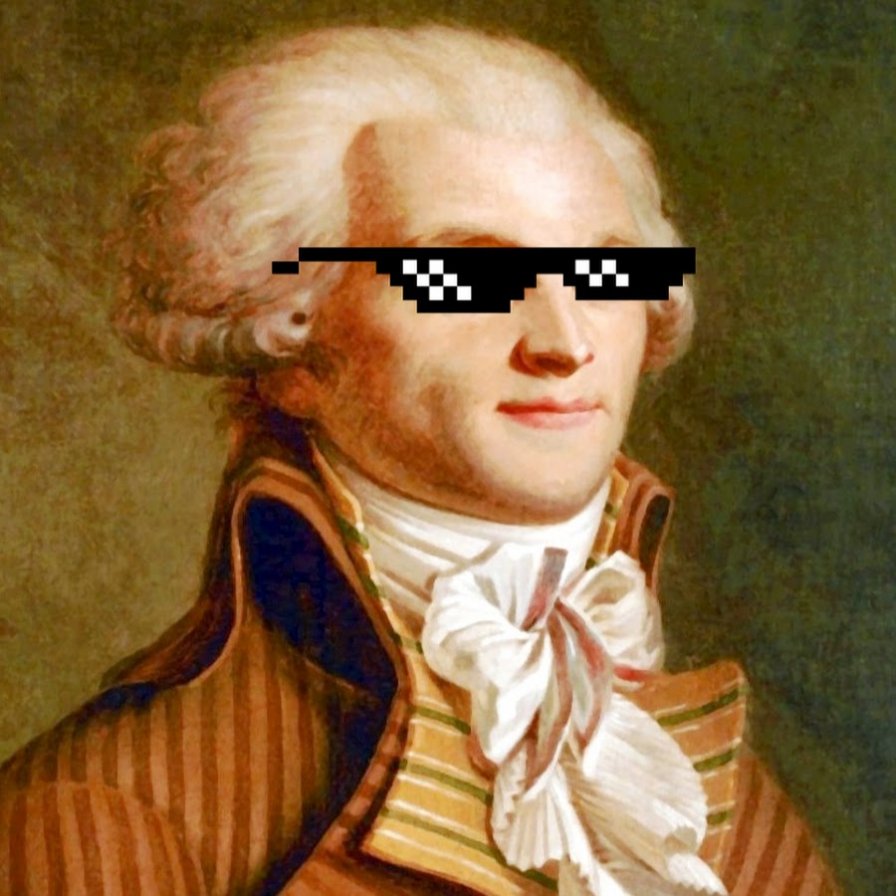
On May 5th, 1789 the citizens of France officially had officially started to completely rebel. During this period, French citizens redesigned their country’s political structure, uprooting centuries-old institutions such as absolute monarchy and the feudal system. But that is not what I am going to completely talk about. I am going to talk about the head of the snake. The man behind the executions and new order. Maximilien Robespierre was born in Arras on May 6, 1758, and was the son of a lawyer. He was educated in Paris and entered the same profession as his father. He was elected as a deputy of the estates-general (a form of parliament). Robespierre became increasingly popular for his attacks on the monarchy and his support of democracy. Then he started to organize rallies and demonstrations that shamed the monarchy and insulted its fundamentals.


            May 5, 1789, would be the day that not only changed his life but every French person alive and to comb. The people of France heard that King Louie the 16th and his spouse Queen Marie Antoinette did not care about their people. There is a popular belief that Marie said (when describing the poor people of France’s hunger) “let them eat cake.” While these exact words were not stated, she implied that she simply did not care whether the common folk of France starved, or not. Upon hearing this, a herd of French commoners, (who were furious), came swarming down to the palace of Versailles. The heard started throwing bricks at the palace. The herd then captured all the nobles and monarchs of France. This was known as the Reign Of Terror.
Image result for reign of terror
         
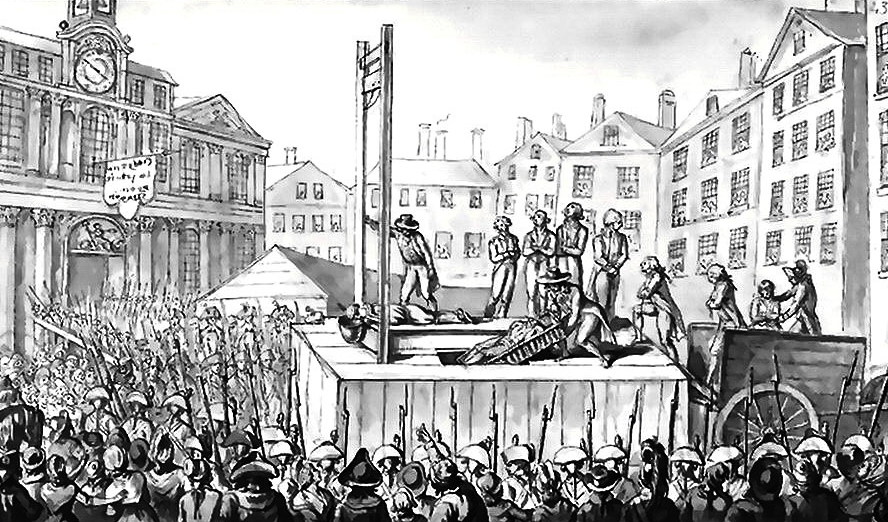
          Robespierre had heard of the invention of the guillotine. A weapon that decapitated the victim, using a rope and a large blade. Robespierre decided to use it to kill all the nobles and monarchs.
After the downfall of the monarchy in August 1792, Robespierre was elected the first deputy for Paris to the National Convention. The convention abolished the monarchy, declared France a republic and put the king on trial for treason. All these measures were strongly supported by Robespierre. This set of laws, Among other things, states that all leaders of France must be elected under a fair election. The king was executed in January 1793.

           In May 1794, Robespierre insisted that the National Convention create an official religion for France - the cult of the Supreme Being. This was based on the thinking of the philosopher Jean-Jacques Rousseau of whom Robespierre new well.

         
           The intensification of the 'Reign of Terror' and Robespierre's autocracy made him increasingly unpopular. French military successes served to undermine the justification for such ruthlessness and a conspiracy was formed to overthrow Robespierre. On July 27, 1794, Robespierre was arrested after a struggle. The following day Robespierre, wounded from a bullet to the jaw, and twenty-one of his closest supporters were executed at the guillotine.

           While Robespierre was ruthless, risky, and corrupt, you can't argue that Maximilien Robespierre is the reason for the modern day Republic of France. His accomplishments will live throughout time.

Friday, March 1, 2019

The History of the Carbon Arc Lamp

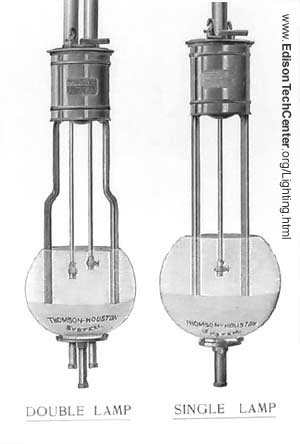
Image result for carbon arc lampThe Carbon Arc Lamp was first invented by Humphry Davy in the first 10 years of the 1800s. However, it wasn't widely used until the 1870s when people started using it for street lights and large buildings. The arc lamp didn't have a very long life, because incandescent lights started to get popular in the early 1900s, but it's still a interesting invention. The arc lamp works by creating an electric arc between 2 carbon electrodes in the air.
Advantages of the carbon arc lamp:

  • Cheaper than gas or oil lights
  • Very bright
  • The only large area electric light during the 19th century
Disadvantages of the carbon arc lamp:
  • The carbon rods in them had to be replaced frequently, becoming a full time job in some cities
  • Creates lots of radio frequency interference
  • Fire hazard
  • Emits a lot of carbon monoxide which can be a big problem if used inside
How it works: An electric arc passes through the air between 2 carbon rods. The gap must be a perfect size, because if it's too big, it'll go out, and if it's too narrow, it won't produce enough light. Carbon gets vaporized in the very high temperature of the arc, which is around 6500 F. Carbon vapor is bright, and that's why people chose to use carbon instead of any other flammable substance.

While the carbon arc light was very cool when it started to be sold and many people wanted them, there were some major drawbacks. These included sparks that fall off the light and can start fires, and it also produces UV-a, b, and c light which is harmful to the skin and the eyes.


Benefits of early exercise

Benefits Of Exercise Before School

A few days a week I wake up early to go play tennis before school with my dad. We wake up at 5:50 and go to play tennis together. We find our court and warm up, normally with short-court rallying. After a few minutes we will rally, full-court, for a little while. Then we will start our game. My dad is much better than I am. He goes easy enough on me to keep it competitive, but he normally beats me. At 7:20 we stop to get ready for school. Then we head to Catlin and I start the day. I love playing tennis in the mornings because it makes my day a lot better and it is a lot of fun. On the days when I wake up to play tennis, I have more energy. I think the exercise gets my blood flowing, wakes me up, and helps me get centered. According to the Huffington Post if you get into a routine of exercise your body will reward you by being more alert and energetic. Also, according to the New York Times, people who exercise get better grades.


The Problem With Plastic Waste


Image result for plastic bottle trash
While walking through a hot summer city, you pull a plastic bottle out of your bag. The sun’s rays are tormenting you, and you take a drink. After finishing the entire bottle, you responsibly put the cap in the trash and the bottle in a recycling bin. You think “well, I’ve done my part. I’ve recycled my bottle. It will be melted down and reused.” If you think this, you are so very wrong. This bottle will most likely end up in a landfill, just sitting there, waiting years for its fate. (Which may never come.) Or being washed into the ocean, where an unfortunate marine creature will think it’s food. Plastic is polluting our oceans, and instead of reusing it, we just continue to make more. Why?
I am a student at the Catlin Gabel School and this topic is something revolutionary to me. When I am older, I want to be an environmental scientist and environmental activist. The way humans have treated the earth, our home, is disgusting. I want to make an impact on the world and leave my mark. I care about the earth’s ecosystem, and I want to educate people on how they can help, with as little effort on their parts.
The problem starts when people drink from those disposable plastic water bottles, instead of getting quality reusable water bottles. Those disposable bottles often don’t make it to recycling facilities, because the recycling becomes contaminated with small amounts of garbage that gets thrown into the recycling bin, or these bottles don’t make it into recycling bins at all. The fuel used to transport this plastic from America to the recycling plants in China is also atrocious, adding to already large amounts of water and air pollution. Christine Figgener and her team of biologists were conducting research on sea turtle mating when they noticed something in a male turtle’s nose. They discovered it was a plastic straw that had gotten into the ocean and pulled it out. Many other animals have problems like this sea turtle. For instance, turtles can also see plastic bags in the water and think it’s their favorite snack, jellyfish. Do you know those plastic can holders? Yeah, aquatic animals (especially turtles) will get their limbs or necks stuck in them, so please, if you recycle those, cut the loops open, so that marine animals don’t choke themselves on those. Plastic is overtaking our oceans at record-breaking speeds, there are plastic islands floating in the middle of the sea. The fish and other animals eat the plastic and die. This is a major problem that requires immediate attention.
Although there are a lot of problems with plastic and pollution, there are also a lot of solutions. There are some people who are very dedicated to helping solve this ever-increasing problem. I researched a company called The Ocean Cleanup. The Ocean Cleanup is a project that is working to remove microplastics from oceans around the world. Microplastics are plastics that are very small. They have been in the water for a very long time, some of which can even be traced back to some of the first plastics ever created and used in the ’70s and ’80s. They are dedicated to remove all the microplastics in the sea, recycle and reuse it and keep the earth’s oceans clean. There is a plan that has just been launched called the Ocean Cleanup. They are putting floaters in the water that will act as a false sealine, which will hypothetically collect microplastics from the ocean to be melted down and reused, instead of creating new plastic when we already have enough sitting in landfills taking up space on land and in the sea. The Ocean Cleanup works hard to remove microplastics from the ocean. Microplastics are the hardest plastics to remove. The Ocean Cleanup has just deployed their tests on a larger scale. The seawall is attracting and collecting plastics, but not yet retaining it. The scientists working on The Ocean Cleanup will continue doing tests and tweaking their invention until it retains microplastics as well.
Plastic has been polluting our oceans for such a long time now, and there needs to be a way to reduce its destructive pollution. Plastic is polluting the earth. How can you help?


Christine Figgener’s research and video: (Viewer Discretion Advised)
The Ocean Cleanup Youtube Channel:

Thursday, February 28, 2019

short term purposes that grow; a blog about plants

entering a jungle

The jungle's heat met the sweet smell of snow
The red door jingled, trapping the soft glow

Leaves, flowers, tangled together as one
Sprouting colors, inhaling the bright sun

Spikes and prickles come in short and in tall

The cool lick of winter fire, sparks withdrawal

A busy canvas of spattered green paint

Crunch underfoot and rustle of leaves faint 

Trays lined displaying parts of our world


To choose with one grasp, once the fingers curled

Earth in hand, love in heart, held close to chest

Disappearing into night, at last, rest

Plants are living too;
There are all kinds of plants, from all over the world, growing in a variety of sizes, colors, and shapes. Each unique in their very own way, just like people. Plants do so much for us, and yet we continue to ruin their homes, they are one of the few things that the world need to grow and survive. Humans could die off, animals and plants would live together in peace and the world would not be harmed. Thats why I view plant as such a key aspect in our environment.

Why I love plants:
I love having plants because it enables me to wake up in the morning and feel a sense of purpose, they rely on me to provide water and care. They are also a great way to spend time, caring for each individual one. It's so compelling how something so exquisite can need so little to survive. Plants are important in my life because they are always there, no matter what they are next to you shedding beauty into the world, even when they are dying. They radiate a warmth to a room that can only be described as life. It brings me joy to see every new leaf, sprouting at barely a few millimeters large, entering the world with fresh eyes. I love how peaceful they are, moving so slightly that you can’t even see it. Growing so slowly that it takes weeks to see a difference.

Having your own:
Succulents are great plants for beginners and my personal favorite, for they require minimal needs, yet done so much with. They are so beautiful and unlike any other houseplant, their fat leaves are adorable.
      ★ proper ways to take care of them:
  • When to water?
Even watering succulents is easy because most send you a sign when they are thirsty. The the majority of succulents their leaves will become squishy or soft when they lack water. The simple approach to this, is watering them around every two weeks, or when they send you a sign. Although it is clear when they need water, it can be confused with when they are being overwatered. Similarly to when succulents need water, their leaves will become squishy when too much water is provided. When the soil is too damp it can cause roots to rot and your plant to die, so be sure to only water every once in a while, most succulents can go long periods of time without water. 
  • Not enough sun? 
A good sign that your succulent is not getting enough light is when the stem starts becoming leggy and leaves disperse further and further apart, with a rosette at the end. This happens because the plant is growing towards the light source to access more light. Try to keep your full grown succulent in direct sunlight. 


Propagation;
What is propagation?
Propagation is a form of reproducing plants. It can take a while for it to fully grow, so it requires patience and care. Certain plants can root faster and have higher percentages of success rates. Propagation most commonly performed with house plants, most specifically succulents, for their fat leaves store energy that can be passed down to the new succulent. The process usually starts from a cutting or leaf and can be done in multiple different ways. Although sometimes the plant lacks the cells that are required for propagation. This can make it so that only roots will emerge and no bud, or the opposite when a bud grows, but no roots.  

Removing leaves or cuttings;
All propagation starts with a leaf or cutting, but there are specific ways to go about removing a leaf so that it does not die. When removing a leaf to propagate you don't want it to rip at all or show flesh. Slowly rock it back and forth till it is loose and then twist to pop it off. If it is not a clean cut the leaf will most likely die or rot. Leave the cutting out in semi-direct sunlight for 2-3 day, this allows the exposed section, where the plant was cut, to callus over. Without this, the cutting would absorb too much water and this can cause it to rot. Once the leaf or cutting has sat, you can usually see the callus, as a brown mark or bump.

Propagation methods;
      ★ Water: Propagation by water is what I found to be quickest, although it does require more attention.
  • When propagating with water, you begin with a cutting or leaf. 
  • You then let it sit in semi-direct sunlight for 2-3 day
  • At this point, you prepare your water, you need a jar of some sort, one that suits the size of your cutting. You also need plastic wrap and water. Start by filling your jar to a bit below the top and cut a piece of plastic wrap to go over the top. Retrieve a pair of scissors or knife and poke a hole the size of the end of your cutting, and put your cutting in it. The end should just about touch the water or hover above it, place it in direct sunlight and wait. 
  • Check on it occasionally and you may have to add some water. 
  • Once large roots begin to form you can choose to transplant it into soil, where you water it lightly every week, be sure to keep it in direct sunlight and a bud will begin to form. 
  • Once the succulent has grown to be larger than the size of a quarter or the mother leaf has died off, you can gently remove the leaf being sure not to harm the new plant. This is a similar process for other house plants, although when enough roots form you can just plant it in soil and let it grow normally.

       ★ Dirt: In my experience dirt is the second fastest method of propagation, it works best with roots that were previously developed in water.
  • Starting with a cutting or leaf, you leave it out in semi-direct sunlight or on a windowsill for a few days or until a callus forms. 
  • Move the cutting to a container with soil, just lay it on the top, or bury the end a bit. 
  • You can then dampen the soil every 3 days or so, when it begins to dry, you can easily do this with a spray bottle. 
  • roots should form in a few weeks, and a bud will appear. 
  • wait for the bud to be large enough to remove the mother leaf, do so carefully without breaking roots.  

       ★ Air: This is by far the easiest way, but I found not as successful and fast.
  • This requires you to place the cutting is mostly-direct sunlight, or on a window sill and wait. A callus will appear on its own and then roots will begin to grow. 
  • Roots will form and once large enough can be transplanted into soil.

    Note: The leaf can sometimes dry out and preventing it from growing, if notice this occurring, you can switch to water and hopefully the leaf’s moisture will return.


    I hope that this inspires you to go out and buy a plant and care for it with the love that I do. Try propagating, watch it grow into something that makes a difference in this world, even if its purpose is too small for anyone else to see.