Introduction
I have blogged for nearly ten years. I had no idea where to begin this year’s FAME reinvention. So, I referred to the two websites that had become my path through the project. Many thanks to Scott Swaaley and Mike Strong of High Tech High for their guidance, materials, and suggestions. This blog substantially follows Scott’s Apocalypto reflection structure. To the extent that successful teaching is built upon the foundation of those who came before, FAME Reinvented was successful in large part due to Scott and Mike’s vision of what a social studies project could be.
FAME Reinvented
This past December, 7th grade parents were invited to an Exhibition in the Creative Arts Center Gallery. On display were four 32” diameter wheels containing 22 wedges that represented a total reinvention of our FAME unit. FAME, Feudal Asia, Medieval Europe, is our medieval project that asks students to dive into China, Japan, the Middle East, & England concurrently. As parents and guests listened to students describe their work, my colleague, Rob van Nood and I realized there was so much more to FAME than the exhibit. We had successfully transformed what had been, by student accounts, an incredibly successful unit into one that blended Tinkering with Social Studies. The finished wheels simply didn’t capture the struggle, the doubt, the failure, and the multitude of other realities we and the students had experienced over the preceding twenty–eight days—each of which taught us many lessons for the future. Here is a modest attempt to capture our thinking and make sense out of the entire Slack discussion that took place during the project.
What We Pitched to Students
Medieval history is highlighted by the inexorable rise of new ideas/theories/inventions/movement of people. In this project, you will examine how the ideas change the way people live, compare your thinking with historical evidence, map significant changes throughout history, then create a narrative and abstract representation of your findings. You will then exhibit your work in the CAC Gallery on December 18. Here’s the short version: How do new ideas change the way people live?.
Rethinking FAME began last February when Rob and I sketched the entire unit out on the back of an envelope. Seriously, our early discussions revolved around how to merge Rob’s tinkering skills with my project design expertise. As a film festival, FAME had completed its third year. It was clear students were pretty successful filmmakers. Change was in the air. We mulled over using programmable devices such as Spheros, riffing off Tyler Smith’s amazing Samurai Sphero Challenge project. Eventually, we brainstormed a project that would incorporate SAMLab devices, using Blockly coding. Building off Scott Swaaley and Mike Strong’s incredible Apocalypto project, we outlined a project that involved research, design, coding, and historical content. Students would create Pie Pieces that would attach, using Velcro, of course, to wooden frames. The projects would address the question of how new ideas change the way people live. Students would create abstract metaphors to illustrate their thinking.
What We Pitched to Students
Medieval history is highlighted by the inexorable rise of new ideas/theories/inventions/movement of people. In this project, you will examine how the ideas change the way people live, compare your thinking with historical evidence, map significant changes throughout history, then create a narrative and abstract representation of your findings. You will then exhibit your work in the CAC Gallery on December 18. Here’s the short version: How do new ideas change the way people live?.
Rethinking FAME began last February when Rob and I sketched the entire unit out on the back of an envelope. Seriously, our early discussions revolved around how to merge Rob’s tinkering skills with my project design expertise. As a film festival, FAME had completed its third year. It was clear students were pretty successful filmmakers. Change was in the air. We mulled over using programmable devices such as Spheros, riffing off Tyler Smith’s amazing Samurai Sphero Challenge project. Eventually, we brainstormed a project that would incorporate SAMLab devices, using Blockly coding. Building off Scott Swaaley and Mike Strong’s incredible Apocalypto project, we outlined a project that involved research, design, coding, and historical content. Students would create Pie Pieces that would attach, using Velcro, of course, to wooden frames. The projects would address the question of how new ideas change the way people live. Students would create abstract metaphors to illustrate their thinking.
Over the summer, we met with SamLab’s Morton Hagen who helped us provide more project definition. A general shape began to appear. We began to document our work. We had a rough design for the project. Much like baking bread, we needed to let the ideas rest and rise. The school year began. At Back to School Night, all I could explain to parents is that kids would be doing something new and cool. That was all I knew. Oh, and they were all invited to an Exhibition in the CAC Gallery in December. I barely slept that night fretting about all the details I thought we were missing. I underestimated those details ten–fold.
Doing the Project First
Rob and I teetered at the edge of the “Can we do this?” chasm. Trusting the Apocalyto team, we knew we had to create a “sample” pie piece in order to demonstrate to both kids and us that this project was possible. We realized we needed to create a piece that would not offer an “advantage” to any group. We had to pitch the possible in order to encourage students to be creative, imaginative, and historically accurate. Rob took charge of this part of the project and soon we had a working demo piece that drew oohs and aahs from students. Our pie piece also gave us the necessary credibility with students. We had shown them pie piece parameters. In time, they would go way beyond what we had created. Neither we nor students understood how significant our example was. We would refer to it over and over as the project evolved and students asked repeatedly, “Can we see your example, again?”
Tuning
Rob and I had a wealth of experience with this age and, in particular this group. Rob had been working with the class for three years teaching various programming/tinkering skills. I have tackled projects with 7th graders for many years. We knew the creative process would be messy. Throughout FAME, I consulted colleagues every step of the way. Scaffolding is an absolute must in this type of project. My English, Math, Science, Modern Language, Arts, and PE colleagues each offered advice and counsel along the way. Their wisdom was both invaluable and always served as a reminder that projects of this magnitude radiate far beyond a single classroom or subject. As the project unfolded, Rob and I checked daily with each other, reflecting on successes, failures, and future needs. Mostly, I think we were attempting to keep one another sane in the midst of the chaos and learning that made up our daily surroundings.
Reflections
This project forced Rob and me to rethink content and programming in ways we had never considered. As our understanding evolved, we were able to have even deeper conversations with students. For example, one pie group carefully explained how the compass changed people’s life. We pushed back asking them to explain their thinking. The students came to understand the compass was a crucial tool in Silk Road trade, and that it was trade, not the compass that changed people’s life. I hadn’t encountered this level of analysis in over twenty years of social studies projects.
Rob and I continually discussed the concept of failure in this project. Would all the pie pieces be complete by the exhibition? How would we counsel students who just couldn’t get all the pieces working? As the exhibition approached, students began looking at ways to simplify their projects. Student focus increased as projects took shape, setbacks became speed bumps to get over. When students approached us with the inevitable “it isn’t working” questions, we asked what had been attempted so far and what students thought should be done next. This led to even deeper content understanding as students puzzled through how to explain their thinking even when the programming wasn’t working or the tinkering solutions required constant fixing.
The Trials and Tribulations of Group Work
FAME is student led. Group Leaders divided kids into research groups with the promise that research groups would not be pie piece groups. Seventh graders are all too familiar with the inequalities that often arise in group work. I coach Group Leaders from the sidelines, but, in the end, I abide by their decisions, even when I might have decided differently. This empowers both leaders and groups. Groups respect their leaders who are always transparent about how decisions are made. For the pie piece groups, the four sets of Group Leaders used four different decision-making strategies to create their groups. Of the subsequent 22 groups, only three ended up requiring major adult intervention. One of those groups managed to work together, the other two did not survive their group experience.
Division of Labor in Student Groups
Similar to Apocalypto, we were concerned about how students would work together. We really didn’t want kids to become specialists. We created 3 roles, builder, designer/artist, and coder. We asked each kid to spend at least two days in each role. While we never followed up in any formal way, we observed kids trying to abide by this guideline. Yes, some kids became the coding experts, others became experts in Carvey (CNC Lathe) use, still others were the vinyl cutter experts. In the middle of the project, we asked kids to self-assess areas of expertise. They created an online knowledge base of experts that groups could consult when help was needed and neither Paul nor Rob were available.
As exhibition time neared, groups began to “finish.” Once a group was “done” kids began helping those who needed a bit more assistance. The whole project evolved from a competitive, our piece is cooler than your piece, to a hey, we can all finish, let’s go! effort. The final night prior to the exhibition was the only night Rob and I decided we needed to stay after school to allow kids more work time. The comradery that afternoon was heart-warming to observe. When we finally turned out the lights, we thought we knew the whereabouts of all 22 wedges. We had no idea….
More Than Tinkering
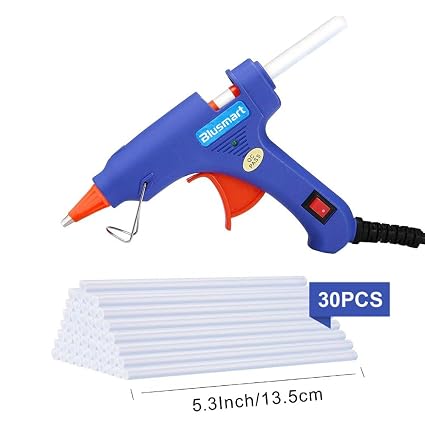
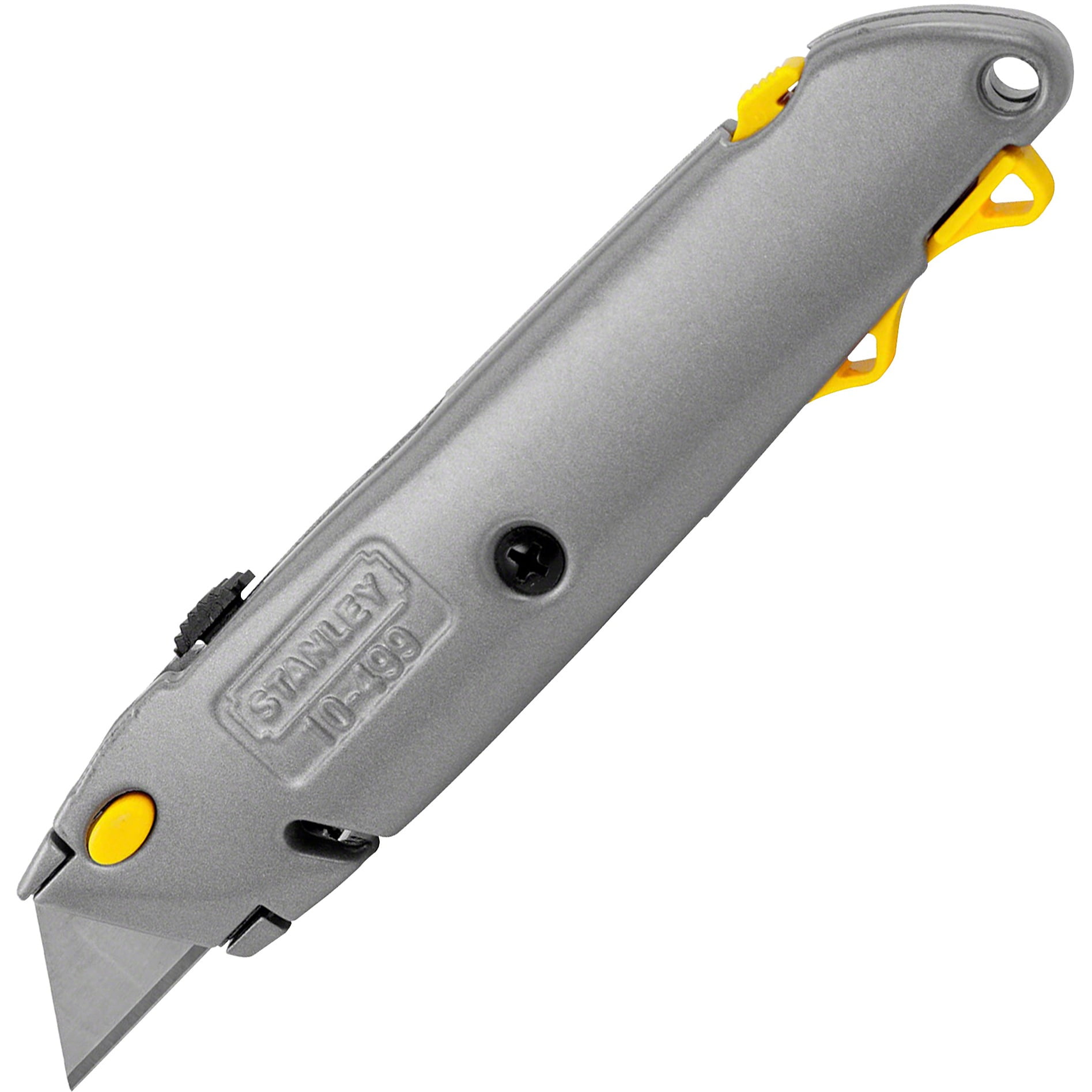
Almost as soon as students read the green sheets explaining the project, they began asking design questions. This opened up whole new avenues of thinking and tools that might be used to help fabricate the final pieces. Pop-Up books provided even more creative impetus than our one example piece. While books have their place, online guidance provided even more thought-provoking options. Rob and I thought we had the necessary infrastructure in place at the beginning of FAME. As groups began designing/creating, we struggled to keep up. Most of our school’s maker equipment, including vinyl cutter, Carvey, drills, glue guns, sandpaper, old file fasteners, utility knives, and the like found their way into student hands. Our creative space began to look like a disheveled Home Depot. Here are a few photos that tell the story far better than I can describe. Exhibition finally arrived, exactly 28 school days after we had begun our adventure. Gaggles of students gathered around their wheels to begin the nerve-wracking process of connecting all the SAMLab devices. Everything worked, with a bit of final tinkering, of course. Students explained their pie pieces to parents and other gathered adults. Kids ably explained not only the design process, they included the content of how new ideas changed the way people lived. We could not have designed a better assessment of all the skills kids acquired, tested, tried on, or experimented with over the course of FAME.
Document, Document, Document
Rob and I kept telling each other we needed to document FAME progress. We used Slack to share with an ever-increasing audience, keep one another informed, and to seek assistance from folks when we ran into technical issues. Slack channels allowed us to share, in real time, successes, failures, speed bumps, and wahoo moments. As I write now, I miss the frenzy of FAME, of kids learning, of adults learning, of both learning together. This is only the beginning of our documentation. More to come……
When Collaboration Works…
At my school, as the sole 7th grade social studies teacher, I have complete control over my curriculum. FAME was different this year in that I shared the space with Rob. He brought his tinkering talent and experimental lens into a project that, previously, had been heavy on arts and humanities. After every meeting, we each had to do lists. We embraced one another’s strengths and bridged our weaknesses. Students benefitted from conversations with both of us as we pushed them in different ways. I pushed content relentlessly while Rob helped kids create ever more elegant solutions and, perhaps more importantly, share those solutions with their peers. The final exhibited wheels were a long way from our initial conversations which was further proof that we remained flexible as kids demonstrated creativity, design revision, unflagging enthusiasm, and willingness to fail over and over again.
No Right Answers (Full Disclosure: this paragraph has hardly been changed from Scott and Mike’s original. Rob and I arrived at the similar conclusions)
FAME never has a right answer. Each pie piece was one of a kind, as was each theory of how new ideas change the way people live. Our most common answers to student questions were things like: “seems reasonable, try it,” “I have no idea,” or “What have you already tried.” The beauty was that we didn’t know the answers – we were solving everything together. The fact that Rob and I were equally willing to experiment, fail, and try again created a culture of persistence and innovation that modeled what we hoped seventh graders would emulate. They did.
Testing Limits
FAME Reinvented tested (and maybe even exceeded) student limits on this project. Each student has fond memories of what they and their group accomplished. In the end, students bound together to create something that is receiving recognition and they are extremely proud of what they accomplished. We will know students have learned the lessons of FAME the next time they are faced with a project that seems overwhelming or a task that seems impossible. Debbie Allen said, “You want fame? Well, fame costs, and right here is where you start paying. In sweat." FAME Reinvented was worth the sweat and the cost.
More Than Tinkering
Almost as soon as students read the green sheets explaining the project, they began asking design questions. This opened up whole new avenues of thinking and tools that might be used to help fabricate the final pieces. Pop-Up books provided even more creative impetus than our one example piece. While books have their place, online guidance provided even more thought-provoking options. Rob and I thought we had the necessary infrastructure in place at the beginning of FAME. As groups began designing/creating, we struggled to keep up. Most of our school’s maker equipment, including vinyl cutter, Carvey, drills, glue guns, sandpaper, old file fasteners, utility knives, and the like found their way into student hands. Our creative space began to look like a disheveled Home Depot. Here are a few photos that tell the story far better than I can describe. Exhibition finally arrived, exactly 28 school days after we had begun our adventure. Gaggles of students gathered around their wheels to begin the nerve-wracking process of connecting all the SAMLab devices. Everything worked, with a bit of final tinkering, of course. Students explained their pie pieces to parents and other gathered adults. Kids ably explained not only the design process, they included the content of how new ideas changed the way people lived. We could not have designed a better assessment of all the skills kids acquired, tested, tried on, or experimented with over the course of FAME.
Document, Document, Document
Rob and I kept telling each other we needed to document FAME progress. We used Slack to share with an ever-increasing audience, keep one another informed, and to seek assistance from folks when we ran into technical issues. Slack channels allowed us to share, in real time, successes, failures, speed bumps, and wahoo moments. As I write now, I miss the frenzy of FAME, of kids learning, of adults learning, of both learning together. This is only the beginning of our documentation. More to come……
When Collaboration Works…
At my school, as the sole 7th grade social studies teacher, I have complete control over my curriculum. FAME was different this year in that I shared the space with Rob. He brought his tinkering talent and experimental lens into a project that, previously, had been heavy on arts and humanities. After every meeting, we each had to do lists. We embraced one another’s strengths and bridged our weaknesses. Students benefitted from conversations with both of us as we pushed them in different ways. I pushed content relentlessly while Rob helped kids create ever more elegant solutions and, perhaps more importantly, share those solutions with their peers. The final exhibited wheels were a long way from our initial conversations which was further proof that we remained flexible as kids demonstrated creativity, design revision, unflagging enthusiasm, and willingness to fail over and over again.
No Right Answers (Full Disclosure: this paragraph has hardly been changed from Scott and Mike’s original. Rob and I arrived at the similar conclusions)
FAME never has a right answer. Each pie piece was one of a kind, as was each theory of how new ideas change the way people live. Our most common answers to student questions were things like: “seems reasonable, try it,” “I have no idea,” or “What have you already tried.” The beauty was that we didn’t know the answers – we were solving everything together. The fact that Rob and I were equally willing to experiment, fail, and try again created a culture of persistence and innovation that modeled what we hoped seventh graders would emulate. They did.
Testing Limits
FAME Reinvented tested (and maybe even exceeded) student limits on this project. Each student has fond memories of what they and their group accomplished. In the end, students bound together to create something that is receiving recognition and they are extremely proud of what they accomplished. We will know students have learned the lessons of FAME the next time they are faced with a project that seems overwhelming or a task that seems impossible. Debbie Allen said, “You want fame? Well, fame costs, and right here is where you start paying. In sweat." FAME Reinvented was worth the sweat and the cost.