Showing posts with label Learning. Show all posts

Monday, July 8, 2019

Reinventing a Successful School Project (FAME costs……)


 Introduction

I have blogged for nearly ten years. I had no idea where to begin this year’s FAME reinvention. So, I referred to the two websites that had become my path through the project. Many thanks to Scott Swaaley and Mike Strong of High Tech High for their guidance, materials, and suggestions. This blog substantially follows Scott’s Apocalypto reflection structure. To the extent that successful teaching is built upon the foundation of those who came before, FAME Reinvented was successful in large part due to Scott and Mike’s vision of what a social studies project could be.

FAME Reinvented

This past December, 7th grade parents were invited to an Exhibition in the Creative Arts Center Gallery. On display were four 32” diameter wheels containing 22 wedges that represented a total reinvention of our FAME unit. FAME, Feudal Asia, Medieval Europe, is our medieval project that asks students to dive into China, Japan, the Middle East, & England concurrently. As parents and guests listened to students describe their work, my colleague, Rob van Nood and I realized there was so much more to FAME than the exhibit. We had successfully transformed what had been, by student accounts, an incredibly successful unit into one that blended Tinkering with Social Studies. The finished wheels simply didn’t capture the struggle, the doubt, the failure, and the multitude of other realities we and the students had experienced over the preceding twenty–eight days—each of which taught us many lessons for the future. Here is a modest attempt to capture our thinking and make sense out of the entire Slack discussion that took place during the project.


What We Pitched to Students

Medieval history is highlighted by the inexorable rise of new ideas/theories/inventions/movement of people. In this project, you will examine how the ideas change the way people live, compare your thinking with historical evidence, map significant changes throughout history, then create a narrative and abstract representation of your findings. You will then exhibit your work in the CAC Gallery on December 18. Here’s the short version:  How do new ideas change the way people live?.

Rethinking FAME began last February when Rob and I sketched the entire unit out on the back of an envelope. Seriously, our early discussions revolved around how to merge Rob’s tinkering skills with my project design expertise. As a film festival, FAME had completed its third year. It was clear students were pretty successful filmmakers. Change was in the air. We mulled over using programmable devices such as Spheros, riffing off Tyler Smith’s amazing Samurai Sphero Challenge project. Eventually, we brainstormed a project that would incorporate SAMLab devices, using Blockly coding. Building off Scott Swaaley and Mike Strong’s incredible Apocalypto project, we outlined a project that involved research, design, coding, and historical content. Students would create Pie Pieces that would attach, using Velcro, of course, to wooden frames. The projects would address the question of how new ideas change the way people live. Students would create abstract metaphors to illustrate their thinking.

Over the summer, we met with SamLab’s Morton Hagen who helped us provide more project definition. A general shape began to appear. We began to document our work. We had a rough design for the project. Much like baking bread, we needed to let the ideas rest and rise. The school year began. At Back to School Night, all I could explain to parents is that kids would be doing something new and cool. That was all I knew. Oh, and they were all invited to an Exhibition in the CAC Gallery in December. I barely slept that night fretting about all the details I thought we were missing. I underestimated those details ten–fold.


Doing the Project First

Rob and I teetered at the edge of the “Can we do this?” chasm. Trusting the Apocalyto team, we knew we had to create a “sample” pie piece in order to demonstrate to both kids and us that this project was possible. We realized we needed to create a piece that would not offer an “advantage” to any group. We had to pitch the possible in order to encourage students to be creative, imaginative, and historically accurate. Rob took charge of this part of the project and soon we had a working demo piece that drew oohs and aahs from students. Our pie piece also gave us the necessary credibility with students. We had shown them pie piece parameters. In time, they would go way beyond what we had created. Neither we nor students understood how significant our example was. We would refer to it over and over as the project evolved and students asked repeatedly, “Can we see your example, again?”

Tuning

Rob and I had a wealth of experience with this age and, in particular this group. Rob had been working with the class for three years teaching various programming/tinkering skills. I have tackled projects with 7th graders for many years. We knew the creative process would be messy. Throughout FAME, I consulted colleagues every step of the way. Scaffolding is an absolute must in this type of project. My English, Math, Science, Modern Language, Arts, and PE colleagues each offered advice and counsel along the way. Their wisdom was both invaluable and always served as a reminder that projects of this magnitude radiate far beyond a single classroom or subject. As the project unfolded, Rob and I checked daily with each other, reflecting on successes, failures, and future needs. Mostly, I think we were attempting to keep one another sane in the midst of the chaos and learning that made up our daily surroundings.


Reflections

This project forced Rob and me to rethink content and programming in ways we had never considered. As our understanding evolved, we were able to have even deeper conversations with students. For example, one pie group carefully explained how the compass changed people’s life. We pushed back asking them to explain their thinking. The students came to understand the compass was a crucial tool in Silk Road trade, and that it was trade, not the compass that changed people’s life. I hadn’t encountered this level of analysis in over twenty years of social studies projects.  

Rob and I continually discussed the concept of failure in this project. Would all the pie pieces be complete by the exhibition? How would we counsel students who just couldn’t get all the pieces working? As the exhibition approached, students began looking at ways to simplify their projects. Student focus increased as projects took shape, setbacks became speed bumps to get over. When students approached us with the inevitable “it isn’t working” questions, we asked what had been attempted so far and what students thought should be done next. This led to even deeper content understanding as students puzzled through how to explain their thinking even when the programming wasn’t working or the tinkering solutions required constant fixing.


The Trials and Tribulations of Group Work

FAME is student led. Group Leaders divided kids into research groups with the promise that research groups would not be pie piece groups. Seventh graders are all too familiar with the inequalities that often arise in group work. I coach Group Leaders from the sidelines, but, in the end, I abide by their decisions, even when I might have decided differently. This empowers both leaders and groups. Groups respect their leaders who are always transparent about how decisions are made. For the pie piece groups, the four sets of Group Leaders used four different decision-making strategies to create their groups. Of the subsequent 22 groups, only three ended up requiring major adult intervention. One of those groups managed to work together, the other two did not survive their group experience.


Division of Labor in Student Groups

Similar to Apocalypto, we were concerned about how students would work together. We really didn’t want kids to become specialists. We created 3 roles, builder, designer/artist, and coder. We asked each kid to spend at least two days in each role. While we never followed up in any formal way, we observed kids trying to abide by this guideline. Yes, some kids became the coding experts, others became experts in Carvey (CNC Lathe) use, still others were the vinyl cutter experts. In the middle of the project, we asked kids to self-assess areas of expertise. They created an online knowledge base of experts that groups could consult when help was needed and neither Paul nor Rob were available.

As exhibition time neared, groups began to “finish.” Once a group was “done” kids began helping those who needed a bit more assistance. The whole project evolved from a competitive, our piece is cooler than your piece, to a hey, we can all finish, let’s go! effort. The final night prior to the exhibition was the only night Rob and I decided we needed to stay after school to allow kids more work time. The comradery that afternoon was heart-warming to observe. When we finally turned out the lights, we thought we knew the whereabouts of all 22 wedges. We had no idea….


More Than Tinkering

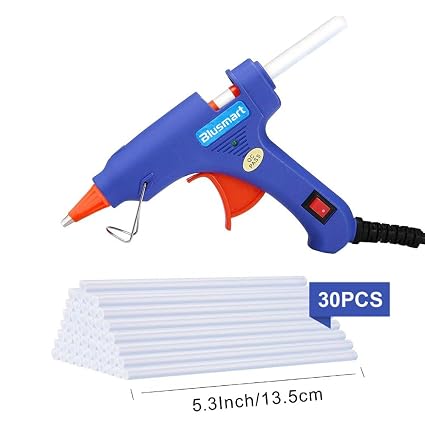
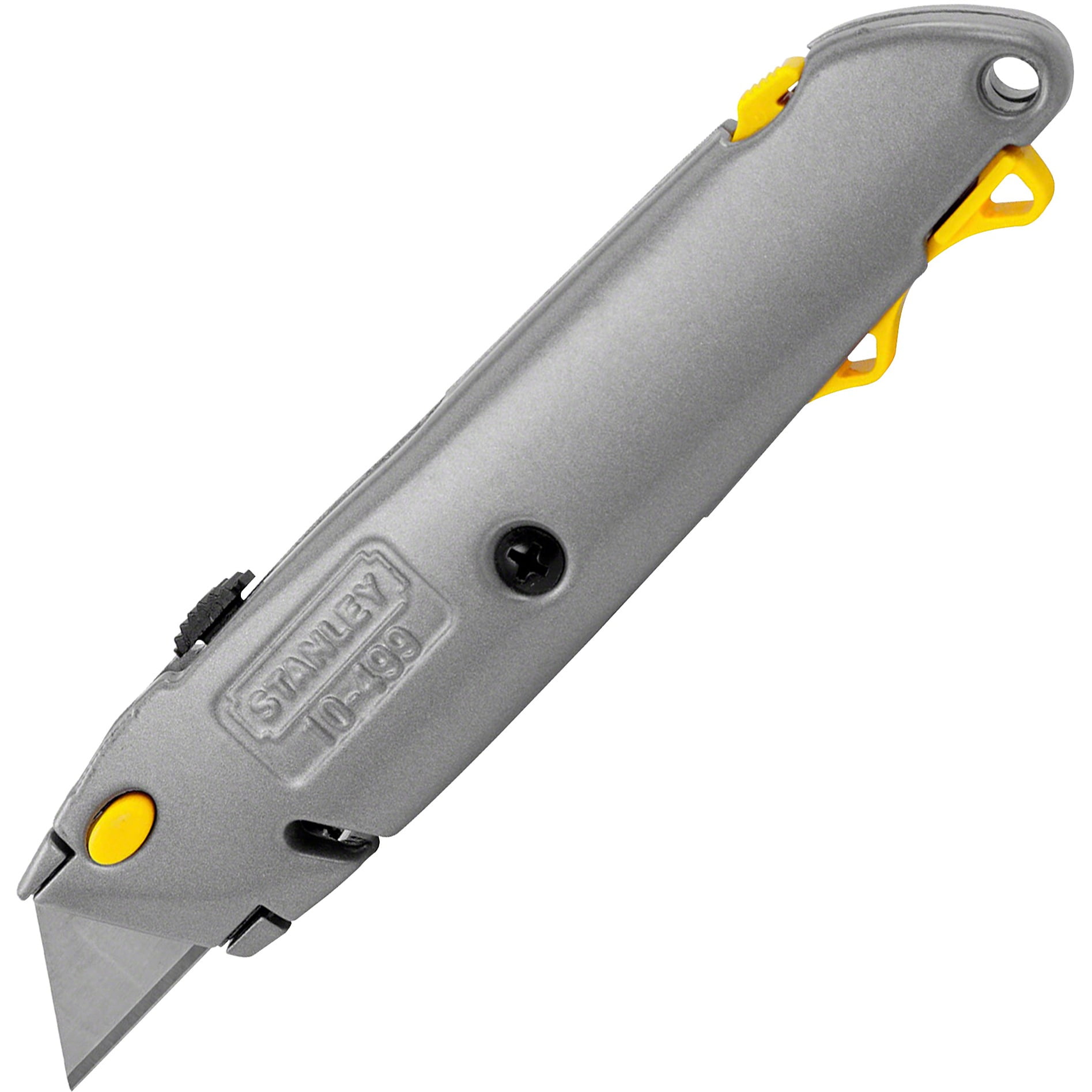
Almost as soon as students read the green sheets explaining the project, they began asking design questions. This opened up whole new avenues of thinking and tools that might be used to help fabricate the final pieces. Pop-Up books provided even more creative impetus than our one example piece. While books have their place, online guidance provided even more thought-provoking options. Rob and I thought we had the necessary infrastructure in place at the beginning of FAME. As groups began designing/creating, we struggled to keep up. Most of our school’s maker equipment, including vinyl cutter, Carvey, drills, glue guns, sandpaper, old file fasteners, utility knives, and the like found their way into student hands. Our creative space began to look like a disheveled Home Depot. Here are a few photos that tell the story far better than I can describe. Exhibition finally arrived, exactly 28 school days after we had begun our adventure. Gaggles of students gathered around their wheels to begin the nerve-wracking process of connecting all the SAMLab devices. Everything worked, with a bit of final tinkering, of course. Students explained their pie pieces to parents and other gathered adults. Kids ably explained not only the design process, they included the content of how new ideas changed the way people lived. We could not have designed a better assessment of all the skills kids acquired, tested, tried on, or experimented with over the course of FAME.


Document, Document, Document

Rob and I kept telling each other we needed to document FAME progress. We used Slack to share with an ever-increasing audience, keep one another informed, and to seek assistance from folks when we ran into technical issues. Slack channels allowed us to share, in real time, successes, failures, speed bumps, and wahoo moments. As I write now, I miss the frenzy of FAME, of kids learning, of adults learning, of both learning together. This is only the beginning of our documentation. More to come……


When Collaboration Works…

At my school, as the sole 7th grade social studies teacher, I have complete control over my curriculum. FAME was different this year in that I shared the space with Rob. He brought his tinkering talent and experimental lens into a project that, previously, had been heavy on arts and humanities. After every meeting, we each had to do lists. We embraced one another’s strengths and bridged our weaknesses. Students benefitted from conversations with both of us as we pushed them in different ways. I pushed content relentlessly while Rob helped kids create ever more elegant solutions and, perhaps more importantly, share those solutions with their peers. The final exhibited wheels were a long way from our initial conversations which was further proof that we remained flexible as kids demonstrated creativity, design revision, unflagging enthusiasm, and willingness to fail over and over again.


No Right Answers (
Full Disclosure: this paragraph has hardly been changed from Scott and Mike’s original. Rob and I arrived at the similar conclusions)

FAME never has a right answer. Each pie piece was one of a kind, as was each theory of how new ideas change the way people live. Our most common answers to student questions were things like: “seems reasonable, try it,” “I have no idea,” or “What have you already tried.” The beauty was that we didn’t know the answers – we were solving everything together. The fact that Rob and I were equally willing to experiment, fail, and try again created a culture of persistence and innovation that modeled what we hoped seventh graders would emulate. They did.

Testing Limits

FAME Reinvented tested (and maybe even exceeded) student limits on this project. Each student has fond memories of what they and their group accomplished. In the end, students bound together to create something that is receiving recognition and they are extremely proud of what they accomplished. We will know students have learned the lessons of FAME the next time they are faced with a project that seems overwhelming or a task that seems impossible. Debbie Allen said, “You want fame? Well, fame costs, and right here is where you start paying. In sweat." FAME Reinvented was worth the sweat and the cost.

Friday, September 21, 2018

Hopes and Dreams


"Don't play what's there, play what's not there."
Miles Davis

As the new year begins, we all have hopes and dreams.  Some of us dream big, others will be happy with smaller successes.  Now that the year is under way, what are some of your hopes and dreams?  You might have class specific goals or you might have overarching goals that apply to every class.  You might be inspired by a quote or you may wish to reflect quietly, then share a bit of yourself.  This post should have the following labels:  hopes and dreams, 7th grade, writing, goals, cultures, English.  Don't forget to read the posting guidelines and include images and links to your post.  Always credit your sources.

Thursday, January 11, 2018

The World is Changed--annual revisit

This post kicks off our annual exploration into the power of social media on a deeper level.  As we begin year five of Revolution! it seems appropriate to revisit and update the information.

The opening line from Peter Jackson's Lord of the Rings trilogy seems an appropriate title for the first Cultures Revolutions blog post.  Our class at Catlin Gabel School in Portland, OR is setting sail on a unit called Revolutions!.  We are studying the period from the Enlightenment to World War I.  Along the way we will study revolutions in science, industry, politics, society, information, and agriculture among other topics.  Students will be blogging about topics they wish to study more deeply or just pique their interests. They will be including relevant links and images in their posts.  Additionally, they will be commenting on one another's posts in thoughtful, deep ways.

Wednesday, October 18, 2017

Model UN Post 4--Wrap up

Model United Nations Simulation Debrief 

Answer the questions as fully as you need to. The following questions are about your role/feelings/ participation in the model United Nations simulation activity you just completed.

1. What was your country delegation like? Give a concrete example or two.

2. In your own words, what world problem were you looking at? How much did you know about this problem prior to the simulation?

3.Was it easy to solve the problem? If not, why did it seem so difficult to reach a compromise?

4. How did you feel during the activity? Did you ever feel frustrated? How do you feel about the ability of the UN to deal with problems now?

5. Was this activity helpful to you? Why/Why not?

6. The simulation consisted of 4 activities, learning about your country, researching the issue, writing resolutions, and participating in committee session. Which was your favorite? Why? Which was most difficult? Why?

7.  Was this activity fun?  As you answer, explain what you learned through this simulation.

Oh, yeah....image and labels, please....7th grade, cultures, Learning, mun, simulation,


Monday, October 16, 2017

Model UN Simulation--Day 2

Congratulations on a successful first day of our MUN activity.  Now that you have been assigned both your country and learned what your topic is, you are probably thinking, "now what?"  Here's the topic for today's reflection...

1.  What is your topic?  What world issue are you trying to address?  How does this issue affect your country?  If you don't know, how will you find out?  How do your personal feelings differ from the way your country views this problem

2.  What do you think of the simulation so far?  How is your group functioning?  Are there any solutions or possible resolutions that you are thinking of?

3.  Don't forget to include an image.  Use the same labels as yesterday....7th grade, Learning, cultures, mun, simulation

Saturday, October 14, 2017

Model UN Simulation--Day 1

Welcome to Day 1 of the Model United Nations Simulation.  Each day, for the next week (B-F days), you will be asked to reflect in your blogs how the simulation is proceeding.  Your post will consist of three parts:

1.  Something assigned that you must write about
2.  An opinion prompt that will reflect your role in your group
3.  An image reflecting your country or the topic assigned to your group.

Posts will be 2 paragraphs long......5 sentences per paragraph = 10 sentences

Your first prompt
1.  What is your country?  What continent is it on?  Doing no research, what do you know about your country already?  Again, doing no research, what is your initial reaction to your country?  Finally, do a bit of research....how do people greet each other in your country?

2.  What is your understanding about the simulation?  That is, what do you think your group needs to do on days 2 and 3 in order to be ready for day 4?

3.  Use these labels:  7th grade, Learning, cultures, mun, simulation    and don't forget an image!


Saturday, October 7, 2017

Model UN Simulation--Day 3

Wow!  Time is flying.  Day 3 already!!!!  You have researched your country's culture, know how to say hello in the language, and know a bit about the issue before your discussion group.  Here is today's post:

1.  How would your country address the problem?  Would they just ignore it?  Would they side with a powerful country such as the US or China?  What are possible solutions?  What would it take for a solution to work?

2.  What is your country's top resolution?  How will you present it? How will you defend it?  Will all countries agree to it or are there likely to be countries that disagree with you?  Who do you think will vote with you?

3.  Don't forget image and labels.  7th grade, Learning, cultures, mun, simulation

Image Credit

Monday, February 1, 2016

The Way I Learn Best

Terin Snyder
Cultures Blog post #1


The Way I Learn Best: Maps


For cultures I was responsible for learning European Countries, capitals and geography. I have travelled with my family to Europe and I thought I knew a lot, but it turns out the European landmass is much more complex than I thought. This was challenging to learn a wide range of countries and specifically their capitals, but it was a rewarding challenge. I realized I learn best by using a specific process. I am a strong visual learner and find it helpful to have the maps as visuals.  My personal connection to some of the countries I visited were really helpful in remembering names, capitals and locations.  My processing is slower than average, so using my method below was helpful in creating a successful outcome without driving myself crazy.


Step One: What do I know?


I start by seeing what I already know by taking the test and not caring about the speed or accuracy the first time through. For example, I thought I knew many European capitals, but realized I know more country names than capitals. This is my starting point for Step two.


Step Two: Elimination


I use process of elimination to narrow down my options for those answers I don’t know. I can usually find a combination that works by using my knowledge from the first step.


Step Three: Finding the right answers


I use resources available to me to figure out the remaining answers I need to know. For example, I use Google to locate a country if I don’t know it. Sometimes I use a parental unit to quiz me first before I take the quiz again. When I do feel confident, I take it until I improve as much as possible.


Step Four: Final Product


For my final product, I get focused and feel confident. I fine tune my answers, do the best I can and turn in my final results.


My process is effective for me. If you have a hard time memorizing or working under time pressure, you might find these steps useful. May the odds ever be in your favor!


Friday, January 29, 2016

It's not all about winning

  During my time as a two-sports athlete I have learned skills for both ice hockey and baseball but also for life.  A message that was almost always said to me was "It's not all about winning."  I almost never got this through my brain without thinking "Why do I play sports then if it's not about winning."  Looking back on this I realize that at ages 6-9 playing recreational soccer with my friends I  shouldn't have been worried about winning at all.  In physical education class, I used to get mad at what I thought were "bad calls."  About midway through sixth grade, I started loosening up in P.E. and, to my surprise, started having a lot more fun.
(I had to blur the logo)


       In 5th grade, I got average grades and I was happy with them.  I don't know why but when I transitioned to Middle School and 6th grade I used the competitive nature I learned from sports and started doing well in school getting better scores on assignments and tests.  I also started having better time management because I had to balance year-round baseball, hockey, and the seemingly never-ending pile of homework from 6th grade (which is almost nothing compared to 7th grade).  When I transitioned to 7th grade I had to be even better at managing my time because of the increased homework load.

       One of the main things that I have learned is to always know that someone is better than me.  Whether it is in school or sports.  When I came into this baseball season I thought that my throwing motion was really good and that I threw hard.  I started an arm care/velocity program and saw some of the other kids on my team that threw 5 miles per hour harder than me.  When I got a 98% on a math test last year I thought that I had the best score but someone got a 103% (they got handicap points) the reality hit me that someone is always better than myself.  

Wednesday, August 5, 2015

Keyboard or Pen wasn’t the Question


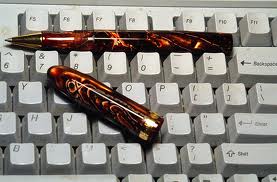
It isn’t often I tackle “prevailing wisdom,” but this is one of those moments. While Pam Mueller and Daniel Oppenheimer certainly created a catchy title, The Pen is Mightier than the Keyboard, they omitted an extremely important fact–that note taking is an art to be taught and practiced. Maggy McGloin, writing in the HarvardBusiness Review, is perpetuating the omission, and, since the Harvard Business Review carries a certain cachet, I’m prepared to begin my journey. Thanks to Alfie Kohn for giving me the courage to speak. I was a huge fan and ardent practitioner of assigning homework to middle school students. After reading and thinking about Kohn’s work, I no longer assign nightly homework, opting instead to allow my students time to pursue their own hobbies and interests. But, I digress.

Mueller and Oppenheimer discovered that students who take notes on laptops often engage in mindless transcription. I have no doubt this is true. Learning to take notes requires practice and frequent reminders from instructors, teachers, and coaches. Educators already know we need to teach how to highlight material in texts. Left to their own devices, younger students develop the habit of highlighting anything they don’t know. They often try using different colors of highlighters for different pieces of information. Students tell me they use blue for new vocabulary, yellow for new facts, pink for new dates, etc. While their texts are quite colorful at the end, students don’t really absorb material and have no clue how to use the highlighted passages to study for quizzes or tests. Sports coaches give near constant feedback to athletes beginning in middle school. High school and college coaches continue this practice. How many high school teachers or college professors review individual student notes prior to midterms or unit exams?

Note taking sheet
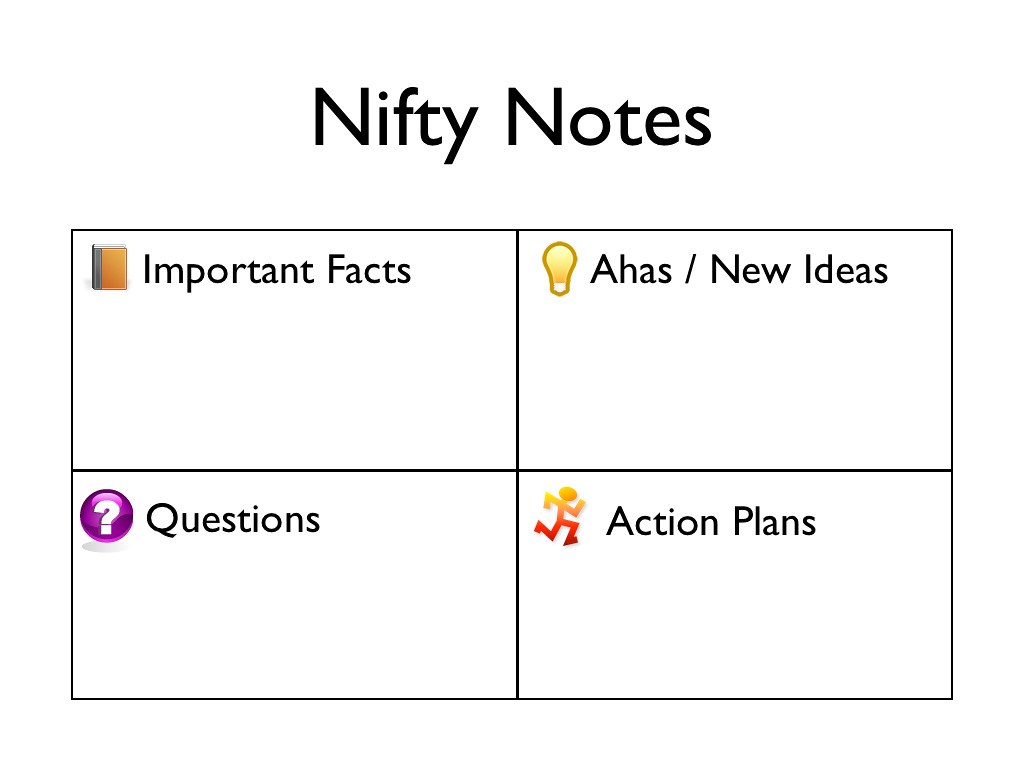
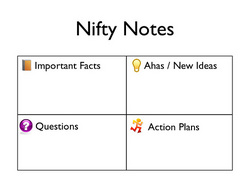
Learning to take notes requires the same focus and attention as learning to highlight text. Teachers use strategies such as the New AmericanLecture, Cornell Notes, and a host of others to help students learn how to take notes effectively. I find that I have to continually remind students to use organizers when taking notes. In middle school, I often give students organizers that have three bullets in each of four boxes. Students are instructed not to exceed three bullets.  Other times, I will use up to five bullets. The point is that students need note taking parameters. Left to their own devices, I agree with Mueller and Oppenheimer, students will mindlessly transcribe.

Part of my curriculum involves students taking notes while viewing videos. In order to reduce the temptation to transcribe the video, I send the students a link to a video transcript. They immediately understand they do not need to retype the transcript. It is available to them anytime they need it. Teaching note taking requires the same skills as teaching any other concept. Students need an introduction, opportunity to practice, and some form of feedback loop.

The question Mueller, Oppenheimer, and McGloin should have asked their college students is what note taking method they used and why they chose it. When I ask seventh graders this question, many reply they have no organized method, they just write bullets. I teach at least three methods of taking notes in my class. We begin with Cornell, outline, and mind mapping (mapping.)  I review which methods helped students and by the end of the year, I ask them to choose the method they have found the most helpful.
Students do not automatically remember these methods from year to year or class to class or even unit to unit within the same class. The temptation to revert to a new bullet for every note and mindlessly transcribe is often too great to resist. The reason note taking methods, even just longhand, work is that students have to mentally analyze and evaluate information prior to writing/typing it. Every teacher from middle school to university needs to instruct and remind students how to take useful notes.

Taking notes on a laptop is far more useful than longhand if taught and practiced correctly. Laptop notes can be annotated, tagged, re-used, shared with study groups, and, when cited correctly, become the basis for research articles, class papers, and essays. Electronic notes also encourage reorganizing, further research, etc., that both enhance and extend learning. Part of my teaching note taking methods involves students coming to class with at least three questions generated from their notes. These become the basis for a quick review/discussion. Muller’s and Oppenheimer’s study do not indicate any follow up other than a quiz.


Longhand notes might work well in the short term, either for a unit or a single class. Electronic notes will last longer and be far more useful provided students are taught/reminded that there has to be a method to their note taking. Mindless transcription is not a method, just as mindless text highlighting is not actively reading. Students should be explicitly coached how to take notes and encouraged to use the methods they have learned.  Pam Mueller agrees and, in a follow up interview, concludes, “Ultimately, the take-home message is that people should be more aware of how they are choosing to take notes, both in terms of the medium and the strategy.”  The question isn’t pixel or pen. It is which note taking method will help me learn and retain this material?


Image sources:
Keyboard & Pen
Nifty Notes
What's so Simple about Note-Taking
Keyboard toolbox


Tuesday, January 27, 2015

Soccer

Soccer is a very big part of my life. Soccer connects and relates to school in many ways. Soccer teaches me lots important skills. I really love soccer and I play it as much as I can.

Soccer helps teach respect. If you are disrespectful to your opponents, then they won't like you and also if you are disrespectful to your friends, then they will not want to be friends with you. But if you are respectful to your opponents and friends, then they will like you. It is the same for coaches and teachers, if you are disrespectful to your teachers and coaches they will won't be as kind to you.

Monday, December 1, 2014

2nd FAME Essay

For your second FAME essay, please write on one of the following:


  • What is power?  Who should have it?
  • How did cultures in the past handle conflict?  How should that influence how people handle conflict today?
  • What are the consequences of trade? (Remember consequences can be both positive and negative.)

This essay should follow the form in the 2nd FAME essay organizer.  Christa and I will also be available for help should you need it.  Wordle is optional for this essay.  Use it if you wish in your editing process.  Don't forget to cite the sources you use.  Or, you could just post your Works Cited page you created in EasyBib and link to it.  You may write on any aspect of your FAME culture, not just your GRAPES.  You may also draw on your knowledge of modern American culture.  Your essay must include at least one image.  More, of course, might be better.

This is an opportunity for you to share your thinking about your research.  Feel free to have fun with the writing.  Essay, graphics, links, and citations should be posted to your blog by whatever date your FAME leaders have told you.  At the latest, posts must be dated prior to 11:20 am on Wednesday, December 17.

Here is a link to the FAME essay organizer


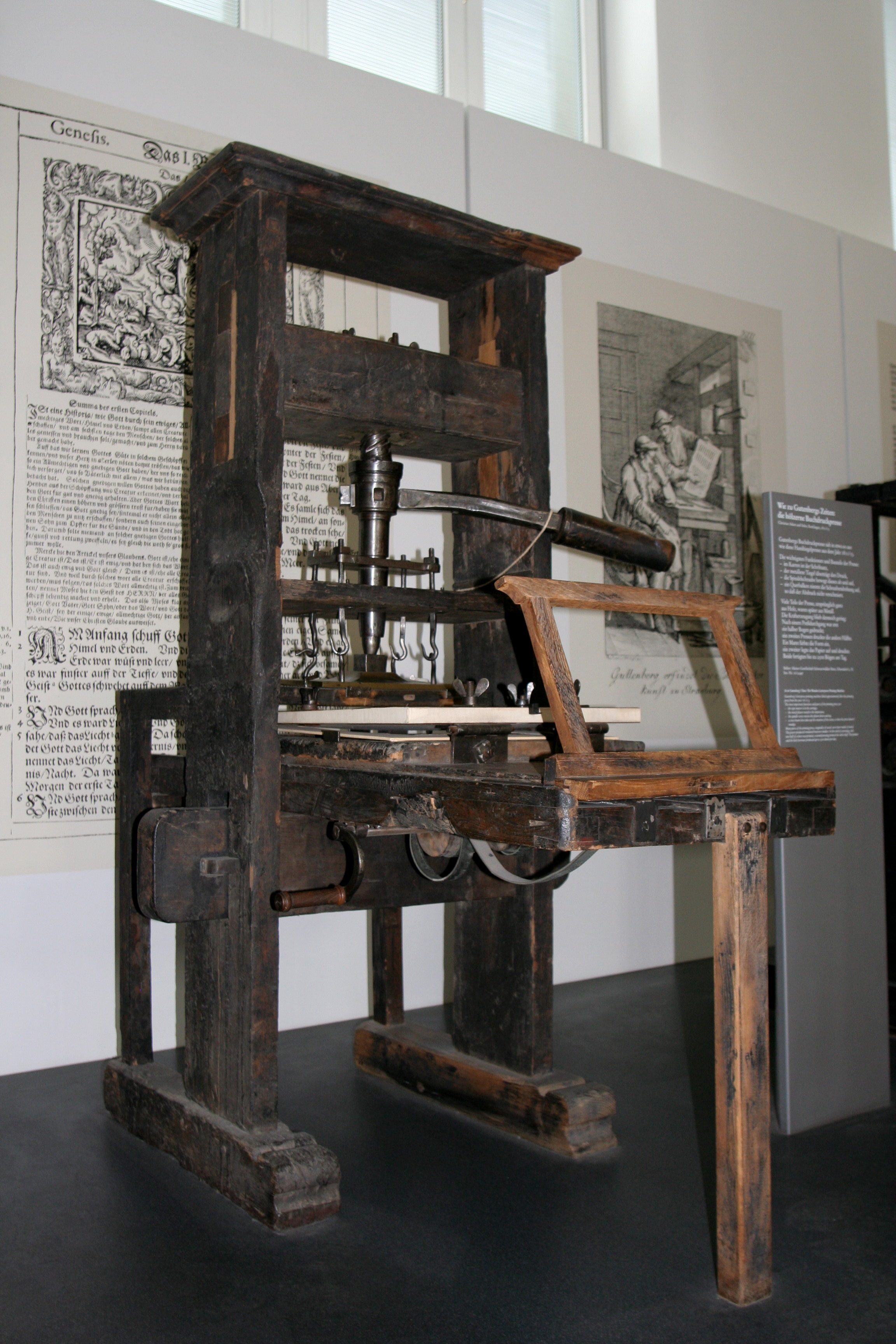
Handtiegelpresse. Digital image. N.p., n.d. Web. 4 Nov. 2013. <http://upload.wikimedia.org/wikipedia/commons/1/17/Handtiegelpresse_von_1811.jpg>.
Route to the Top Power Image. Digital image. N.p., n.d. Web. 3 Dec. 2013. <http://i2.cdn.turner.com/cnn/dam/assets/120809013533-route-to-the-top-power-posing-fist-getty-horizontal-gallery.jpg>.
EasyBib Link

Friday, February 21, 2014

How to post a Puppet Pals Video

Here is an example of what the Puppet Pals video should look like in YOUR blog.  Please do not post it to this one.  Instructions for posting can be found on the Cultures Haiku page on the right side links section (bottom link).  Many thanks to Layton for allowing me use her video.

This is my video about the Stamp Act.  It is part of the American Revolution.


Wednesday, February 5, 2014

Music To My Ears

I have been playing piano since I was in second grade. It has always been an important part of my life. Whenever I need a distraction, or something to wrap my mind around, I start practicing or listening to some kind of music. Sometimes, I like to improvise, which means making it up on your own. 
Fiery Piano Performance

Listening to music is also an important part of my life. I love a good dub-step beat or a catchy pop song. That always makes me happy and helps me focus on whats important in life. Stress relieving! Sometimes I just like to fiddle around on Garageband and make up a jingle. Music also helps me make connections. If I hear a sound that coincides with a word or phrase I tend to remember it better. This is called musical learning.


My piano teacher, Alena, lives just a few minutes from Catlin. When I walk in and take my shoes off, I'm excited to get to work on my pieces and maybe start a new one. Playing keeps me motivated to keep moving.


On top of lessons once a week, and practice at least 4-5 times a week, I am competing in Science Olympiad and playing basketball for Catlin. It may seem like I am overworking myself, or ignoring school work, but I actually manage fine. This is because I believe that if I do a little of everything, but keep focused on my main goals, I'll do fine. I may have basketball practice one night, but then I'll work on homework and if I have time I'll also practice piano.


Sometimes, performing can be difficult. I have performance classes every month or so, which let me practice in front of others. It can be hard to play fluidly, sometimes I start over thinking what I'm doing, like when I perform in drama class. We all have our "pet peeves". 


Ludwig Van Beethoven
I have learned a lot while playing piano. I know the time periods, composers, chords, and things like grace notes and crescendos which add to the richness of the music. But also, music has helped me learn about history too. Since my piano teacher is from Belarus, I have learned a lot about European history and the culture there. I have also learned about the composers themselves, some of whom have had very interesting lives. 

Piano and music relate to Revolutions! which I am studying in school. Music is related to the Industrial Revolution because production of pianos and other instruments became more mechanized, but it is to this day still considered an art. Music and other arts were also parts of other revolutions because people were expressing their thoughts and they feeling of the moment. Many poems and pieces were written by people during the French Revolution and Civil War. These are interesting ways to learn about how people felt at the time.


On the topic of learning, my family is donating our old piano to The Snowman Foundation. This charity accepts money and pianos for families and students. They believe that everyone deserves a chance to play and learn piano.


Though it can challenge me, music is still an escape. It lets me bring back sounds that were written in ink pen on paper hundreds of years ago and play them today.


Image Sources:


http://www.pinktentacle.com/images/burning_piano.jpg

http://moonlight-sonata-sheet-music.com/wp-content/uploads/2013/04/tumblr_m87zhyVLb81rql8omo1_cover.png-300x300.jpg
http://www.monsterworking.com/wp-content/uploads/music.jpg


Monday, January 27, 2014

Lifelong Learning


"Being ignorant is not so much a shame 

as being unwilling to learn."

-Benjamin Franklin
From when you're in the first grade to beyond graduating high school, you will never stop learning. I am not talking about learning in school or by searching something on the internet. I am talking about learning from experiences, tiny things that you catch when you’re talking to another person, doing your job, or even walking in a hallway. You will always be learning.

Benjamin Franklin, a politician, musician, scientist and author. The list goes on and on. He was a smart man, and whenever he asked a question, he would do everything in his power to answer it. Take for example one night, he was sitting outside in Philadelphia. He was waiting to see lunar eclipse, but a storm had moved over to his location. Most people would just call it bad luck, but Benjamin Franklin asked “Why did I not see the lunar eclipse?” He found that there were strong winds from the Northeast, but when he talked to his brother in Boston, he was told that the storm had come after the lunar eclipse which was strange because, Boston is Northeast of Philadelphia. Benjamin concluded that clouds and storms do not always follow the strong winds. This theory is one that majorly influenced modernday meteorology.
Benjamin Franklin was a learner. His discoveries were made, because he learned from the little things. Like a cloudy day and a talk with his brother. Without Benjamin’s love for learning, a lot of the things we take for granted would not be here.So how can you be Benjamin Franklin? Well you can’t, but you can atleast do what he did best. Learn.

Donald Kausler’s book, “Learning and Memory in Normal Aging”, suggests that people who are actively learning throughout their lives have a longer lifespan and have less effects of aging than that of a person who did not actively learn on a regular basis. So not only is learning teaching you, preparing you for events, and helping you through your life, but it is also healthy for you.

An old Albert Einstein told others,
“Wisdom is not a product of schooling, but of the lifelong attempt to acquire it.”

From when you are first born to when you are at your final breath, your brain is always ready to learn new things. So next time you see your grandfather, or you look up at the sky, remember to learn from it, and you will grow wiser and wiser.

Sources Cited:

Soccer

Soccer is a huge aspect of my life. I play it a ton, and really enjoy it. Soccer also makes me a better student and teaches me important skills. Soccer relates to school in a lot of ways.


It teaches me time management because I play on a club team. I have practice 3 days a week, and games 1 to 3 days a week. I have had to learn to manage my time so I can do my homework, go to my practices, go to my games, and still have time to myself or to spend time with my friends and family.


Being physically active makes me a stronger student because it teaches me patience. It also teaches me that some skills don’t come naturally, and you have to work to excel, and overall, it all comes down to how hard you want to work. If you want more playing time, you have to work hard in practice and show the coach that you deserve it. If you want to do well in school you have to study and do your homework consistently.


Soccer teaches me teamwork, and how to deal with people that you don’t like. If you try to dribble the ball the entire way up the field without the help from any of your teammates the ball is going to get stolen. But just a few passes can get you much further than dribbling can. If there are people on your team you don't like, you kind of have to learn to like them, or put up with them because they're on your team, and teammates take care of each other. And because we work together so much, you often become pretty good friends with your teammates, like you are with friends that you have a lot of classes with.


You also have your solo moments in soccer. When you dribble the ball up the field and score, the credit goes to you, and all of your teammates are high-fiving you, and the parents are applauding you. It feels really good, like when you do the best in the class on a test, or are the only one to turn in your homework. Soccer relates to school in a lot of ways.


Soccer teaches you respect, too. If you aren't respectful to your coaches, you probably won't get as much playing time. If you are disrespectful to your teachers, they won't think as highly of you, and your class might get extra homework.

I think soccer is just important as school, because it teaches me some things maybe better than school can.

Cites:

  • http://sabisathletics.net/wp-content/uploads/2013/08/soccer-

Tuesday, October 15, 2013

Urbanization Reflection

This response should be your longest so far.....and will be your longest of the project.

Mentally go through your typical day and think of all the ways you use energy and how your life would be affected if you no longer had access to energy.  Specifically, how would your life change without access to energy?
Now, think about the population in your neighborhood.  What problems will increase if more people move into the Portland Metro area?  
Finally, think about the urbanization and population articles.  You read three and learned about one more.  Were there parts that surprised you?  Were there parts you didn't understand?  By 2050, the world is projected to have 10 billion people.  You will be approximately 50 years old (scary, I know)  What problems do you think the world will be facing with that many  people?

Your response should be around 2 paragraphs (10 or so sentences.)  Use standard Geography and the Human Experience labels.  Yes, an image would be nice....


http://www.geography.learnontheinternet.co.uk/images/popn/world_pop.gif
https://blogger.googleusercontent.com/img/b/R29vZ2xl/AVvXsEiYXiPbUPw8wrx8vR7y30BW6vVPMGQSfXDGErv74xpd8Y-JumTSVjyv8G_M-M0fbvjAybSpG5GgodiJRrxY2Kn6Z9zLHntQCzTk7ExpMEv59-GkBibYdf_wRO8o4o6ahV1vqSBO1unHxB-N/s1600/images.jpg