This is what you are trying to do....
Sunday, May 4, 2014

Wednesday, March 12, 2014
Soccer
By Tali Sauer
I play soccer in the fall, I play soccer in the spring, I play soccer by a wall, I play soccer while I sing. When I’m on the field, my thoughts dont drift, they concentrate into one point, like the center of a whirlpool. My mind is all about the game. I rush down the field, dribbling the ball around everyone else. I leap past the final defender, sending the ball in the wrong direction, but I lash out my foot, making contact with the ball, and it curves right into the goal.

I’ve been playing soccer since before I can remember. I used to play goalie, but I do not play anymore because of my slight height difficulties. I play soccer almost every other week for seven straight days, sometimes even inside my house (not to my dad’s approval). Soccer is a big part of my life, and it helps balance it out so I stay active and in a state of elated happiness.

Saturday, March 1, 2014
Maï Savanh Lao

Maï Savanh Lao? What is that? Well, roughly translated, Maï is silk, Savanh is heaven, and Lao is Lao P.D.R. So, Maï Savanh Lao means Heavenly Silk from Lao.
This is a silk and
tea producing company that promotes
fair trade from the making, to selling, to buying. And I was fortunate enough
to get to visit their company in Vientiane while I was staying there.
Women, who wanted to work in the spirit of fair trade, started Maï
Savanh Lao in 2005. Many of the tradition Lao dresses are handmade and take
lots and lots of time to make. The women in Lao would make this to sell, but
did not get very much money for the amount of skill and time that went into the
dresses. So began this company, one that works and earns the fair amount.
When I got there I did not know what to expect, but I received a
very nice tour throughout the factory and was taught about the process of
making silk. The people in Maï Savanh Lao were very generous to give us this
tour and let us take pictures.
 The first thing to making Lao silk is the silk worms. They are feed on mulberry leaves, until they are ready to make their cocoons. 20,000 eggs makes 12 grams of silk.

 Next is boiling and hand reeling. But nowadays, people use machines to reel the ends of the silk worm cocoons. The part that people use for silk is actually only the cocoon, but also use the worms for dried snacks. Yes, sadly the worms die through this process. This picture on the side is reeling, but not directly from the cocoons. I did not have the chance to take a picture of the machines reeling directly from the cocoons. The women is this picture was our guide and she is from France. She is also one of the people that started Maï Savanh Lao in Vientiane.
 Next is dying the silk. Maï Savanh Lao uses natural dyes made from flowers and other various plants. This process is dangerous, because you have to heat the dye up to it's boiling point for the colors to transfer. Again, it it done by hand.

 Next is reeling it back into rolls to be woven into dresses.
Next is the weaving process. The women working here will then take the rolls of silk and weave them into Lao traditional dresses or sîn. Sîn is what Lao people these traditional dresses.

 The final process might look something like this. But the dresses come in very MANY styles

Sources: http://www.silkliners.com/product_images/uploaded_images/silkworm.jpg
http://media-cdn.tripadvisor.com/media/photo-s/01/4d/a3/b6/traditional-lao-dress.jpg
And my trip to Lao, and my camera/
 The first thing to making Lao silk is the silk worms. They are feed on mulberry leaves, until they are ready to make their cocoons. 20,000 eggs makes 12 grams of silk.
 Next is boiling and hand reeling. But nowadays, people use machines to reel the ends of the silk worm cocoons. The part that people use for silk is actually only the cocoon, but also use the worms for dried snacks. Yes, sadly the worms die through this process. This picture on the side is reeling, but not directly from the cocoons. I did not have the chance to take a picture of the machines reeling directly from the cocoons. The women is this picture was our guide and she is from France. She is also one of the people that started Maï Savanh Lao in Vientiane.
 Next is dying the silk. Maï Savanh Lao uses natural dyes made from flowers and other various plants. This process is dangerous, because you have to heat the dye up to it's boiling point for the colors to transfer. Again, it it done by hand.
 Next is reeling it back into rolls to be woven into dresses.
 The final process might look something like this. But the dresses come in very MANY styles
Sources: http://www.silkliners.com/product_images/uploaded_images/silkworm.jpg
http://media-cdn.tripadvisor.com/media/photo-s/01/4d/a3/b6/traditional-lao-dress.jpg
And my trip to Lao, and my camera/
Friday, February 21, 2014
How to post a Puppet Pals Video
Here is an example of what the Puppet Pals video should look like in YOUR blog. Please do not post it to this one. Instructions for posting can be found on the Cultures Haiku page on the right side links section (bottom link). Many thanks to Layton for allowing me use her video.
This is my video about the Stamp Act. It is part of the American Revolution.
This is my video about the Stamp Act. It is part of the American Revolution.
Tuesday, February 18, 2014
Peace of Westphalia
The
Peace Treaties of Westphalia
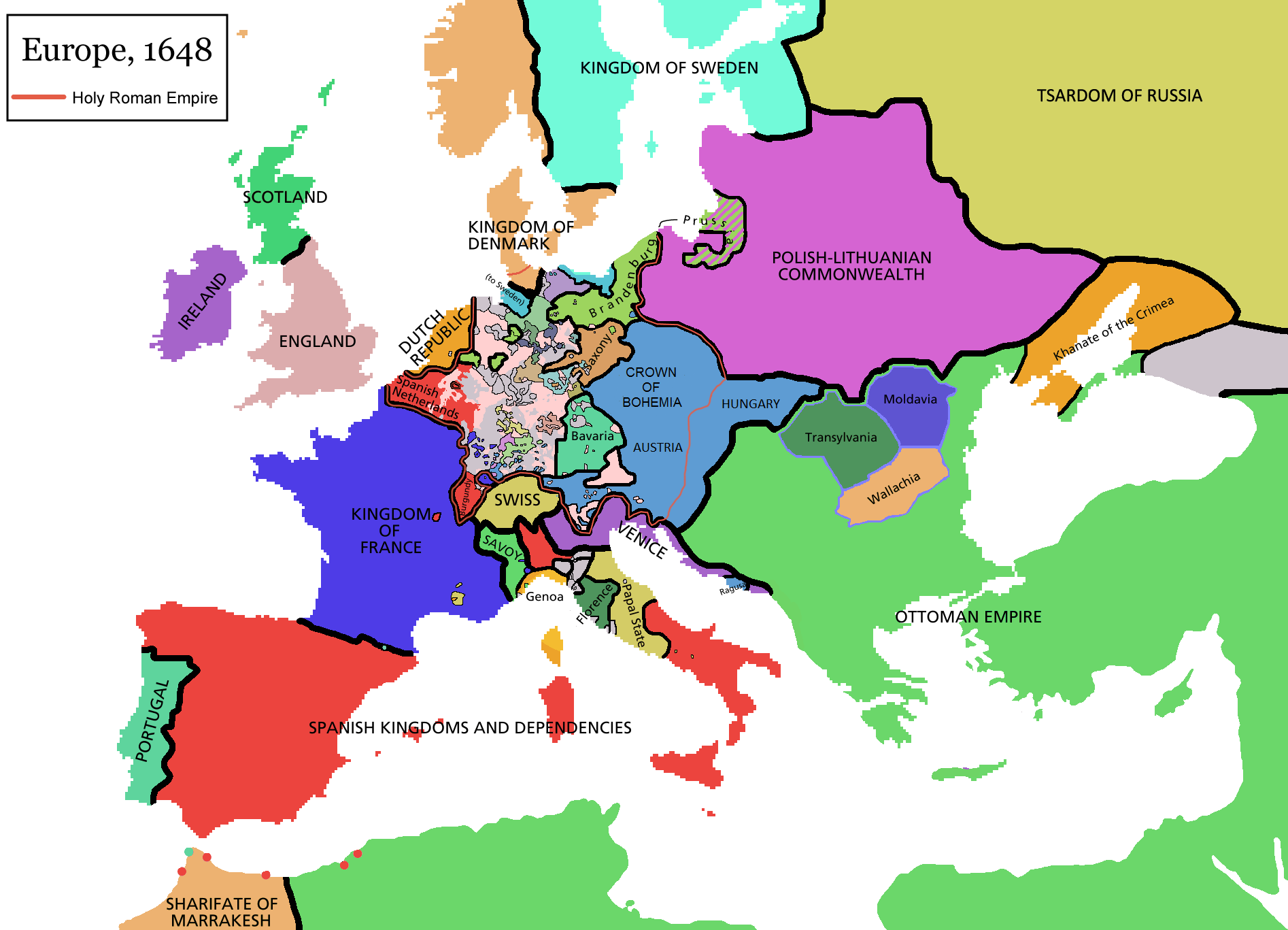
You
may be wondering what or who or where Westphalia is. Today, Westphalia is a province of Germany,
called North Rhine-Westphalia. Why does
this tiny, insignificant European place matter? In the year 1648, during May through
October, a series of Peace Treaties were signed between the Kingdom of Spain,
the Kingdom of France, the Kingdom of Sweden, and the Holy Roman Empire, and
many other smaller free governing cities and states. This stopped many wars, such as the Thirty
Years’ War and the Eighty Years’ War.
Ending these wars saved many deaths, improved living conditions, and
brought peace to Europe.
Ending
the Thirty Year’s and Eighty Years’ Wars could finally bring all the tired
soldiers back to their wives and family.
This kept them off the battlefield and away from guns. They could help the other wounded soldiers by
lending the families food and medicine.
They could also bring goods that had disappeared with the soldiers back
to markets, some of the essential such as medicines.
Signing
the Peace Treaties improved living conditions greatly. No more fear of being invaded by the Spanish,
or Swedish, or any other opposing groups.
The wives would have money from their husbands again to keep the food
hot on the table. There could be a
peaceful atmosphere where everyone could living comfortable lives.
If
a large chunk of men had died in these wars, it could have brought reproduction
to a halt in Europe. Women could’ve been
fighting for a single man, and killing each other at it. Later on, if Europe would have more elderly
than working folk, Europe could be in a major financial crisis. Europe might’ve had weak armies and been
invaded by Asians or Africans. Bottom
line, a lot of bad things could’ve happened.
 Ending
these wars finally brought prosperity to Europe. The Thirty Years’ War was one of the most
destructive and horrific wars Europe had every faced. This was one of the first wars where both
sides had canons and guns. This meant
that more soldiers died. So generals
brought more and more soldiers onto the field.
This meant that more food was needed, which was already scarce. When the soldiers marched into hostile
territories, the villagers would burn their mills and food. Soldiers were now dying from two causes, war
and starvation. Finally signing the
Peace of Westphalia Treaties was a major break for everyone in Central Europe,
where these wars were fought. Europe
could finally progress safely.
Ending
these wars finally brought prosperity to Europe. The Thirty Years’ War was one of the most
destructive and horrific wars Europe had every faced. This was one of the first wars where both
sides had canons and guns. This meant
that more soldiers died. So generals
brought more and more soldiers onto the field.
This meant that more food was needed, which was already scarce. When the soldiers marched into hostile
territories, the villagers would burn their mills and food. Soldiers were now dying from two causes, war
and starvation. Finally signing the
Peace of Westphalia Treaties was a major break for everyone in Central Europe,
where these wars were fought. Europe
could finally progress safely.
Thank you for reading this article and I sincerely hope
you have a wonderful rest of your day.
Sources:
My brain and logic
Images:
http://upload.wikimedia.org/wikipedia/commons/d/d0/Europe_map_1648.PNG
http://www.hereandtherewithpatandbob.com/wp-content/uploads/2010/08/Peace-of-Westphalia.jpg
Monday, February 17, 2014
Fencing
What is Fencing?
Fencing can be very complicated. I fence Saber, but there are other types like Foil and Épée. In foil, its the lightest of all 3, points are scored with only the tip of the foil and the target is from the hip up - excluding the arms and head. In Epee, its the heaviest of the three, points are scored with only the point of the sword and the target is the entire body. In Sabre, about as heavy as a foil, points are scored with the point and the sides of the sabre, the target is from the waist up-excluding the hands. I personally don’t know whatsoever anything about Foil and Épée fencing. I am going to try to describe as much as I can about Saber fencing as possible. In sabre, it is generally easier to attack than to defend. It all depends on the right of way. Basically, the right of way is determined by considering which fencer attacked first. There are many ways to get the right of way.

In fencing, the strip (also known as the “Piste”) is the playing area. The strip is about 14 meters long and is about 1.5 - 2 meters wide. There are hash marks on the last two meters of the strip, which are called the warning lines. The warning lines are supposed to warn the fencer before he/she backs off the end of the strip. The Strip is also marked at the centre and at the "en garde" lines, located two metres either side of the center line.

My Very First Tournament
There are two types of people that you would compete against. There are the screamers and the criers. I am a crier. At fencing tournament's it can get very hectic. At my first big competition, I was very overwhelmed and didn't know what to expect at all. I just sat there, waiting for the judge to call my name. All I heard was loud screams and cries from every part of the room. When I was called up for my first match (also known as a "Bout") I was freaking out. All I could hear was my heart thumping like crazy. I stared at my opponent as I saluted them and the judge. Next thing you would hear is "Ready… Fence!" It's like a race. Waiting for the gun to go off.
I remembered my component was a girl that kept charging at me and screaming. That probably was the scariest thing I had every experienced in my life. I had won my first bout. In fact, I had won all of them except for one. I had tied for 3rd on my very first fencing competition. I had never been so happy about a sport in my life. This had all been last year. The funny thing is, is that i'm fencing in the same competition this weekend. Wish me luck.

Keywords:
Advance- To take a fencing step forward
Retreat- To take a fencing step back
Lunge- One way to deliver an attack
Development of the Steam Engine
Steam Power
Peter Singer once said, “The Internet, like the steam engine, is a technological breakthrough that changed the world.” Steam power was much like the internet nowadays. It greatly impacted our world. Factories powered by steam could be located everywhere and not just near water sources but they worried about freezing, dry spells, and the season itself because those were factors that could’ve caused a shortage in water supply. Steam power was then later adapted to many types of transportation. Three people were responsible for the major development of the steam engine. They were Thomas Savery and his steam pump, Thomas Newcomen and and the steam engine, and James Watt and his major improvements to the steam engine.
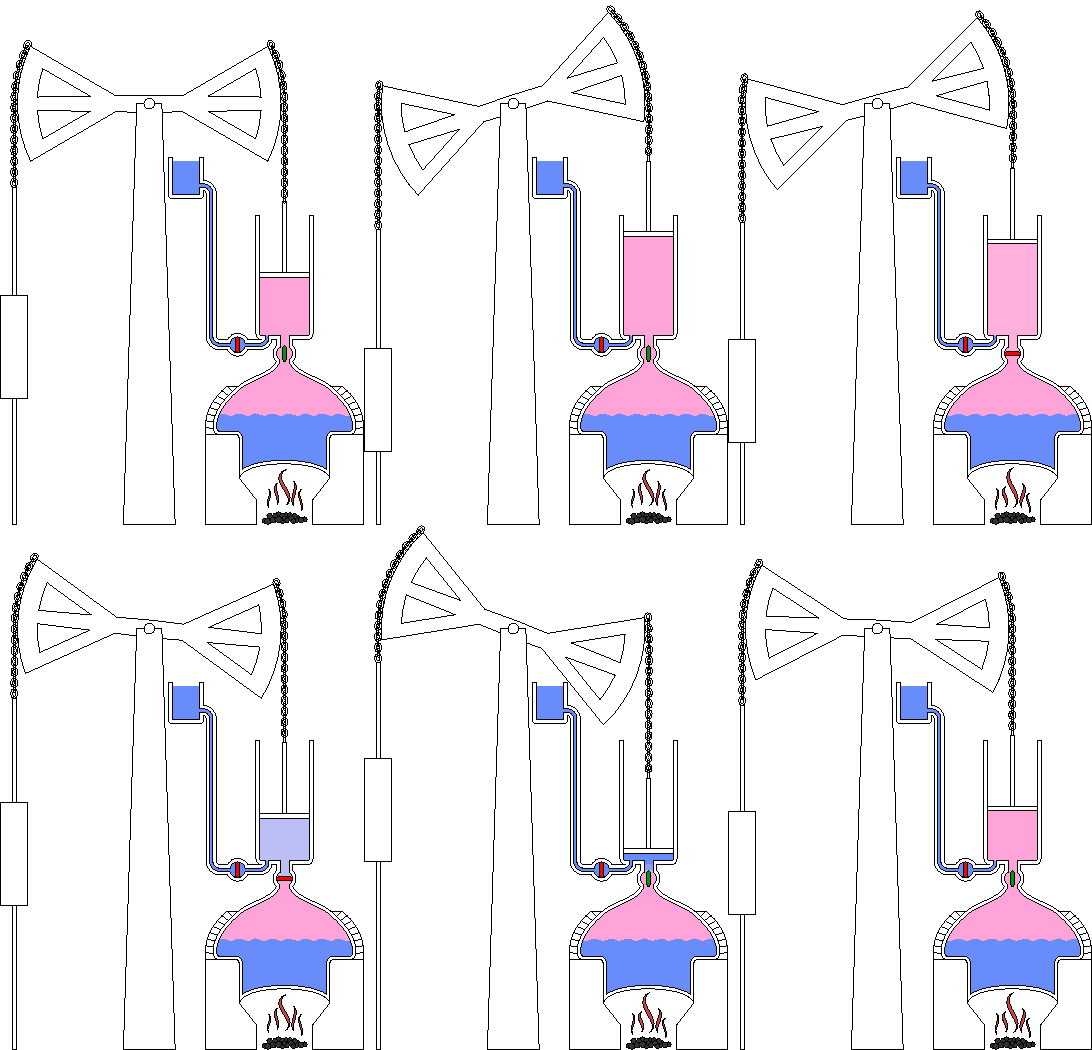
Thomas Savery started it all off with is basic steam pump. He invented it in 1698 and got a patent in London. The pump was used for pumping water out of mines. It worked by letting in 120 to 150 psi of steam into a cylinder. On the outside, a blast of cold water would condense the steam inside, creating a vacuum. Then the valve would shut off as the water came up. The valve was then opened again to force the water into a higher level pipe.
 After, Thomas Newcomen then developed the first steam powered machine. In 1712, Thomas newcomen invented another pump-like machine that was powered by steam. He wasn’t influenced by Thomas Savery but their ideas were similar. There would be a cylinder and a boiler under it with a valve in between them. The boiler would boil water and the valve would open to let the steam come through, pushing a piston in the cylinder that was connected to an arc head. this turns the other side pushing a piston down a cylinder that goes into the mine. A jet of cold water would then go directly into the steam cylinder causing the steam to condense creating a vacuum pulling the piston back down causing the other piston on the other side to come up drawing water with it. The valve of the boiler and the cylinder then opens letting the water in and then the whole process repeats again.
  After Newcomen, James Watt became very successful for the developments he made on the steam engine. James Watt worked very close with Matthew Boulton. In 1778, he officially completed perfecting his steam engine design. He had made very many improvements. He added a steam jacket around the steam cylinder to keep the temperature of the steam inside. More importantly, he put the condenser chamber a separate place. This made the machine improve by a factor of five saving 75 percent on coal costs because coal was what they used to boil the water. At the time, Newcomen’s engine could not be easily adapted to a wheel. This is not shown in the pictures but Watt developed his engine to have a centrifugal governor so he could control the amount of steam used, parallel motion so that a rod can move in a rotational direction without putting sideways strain on the horizontal rod, and a flywheel which stored energy through the torque given off by the rotating wheel.
They called the time period from 1760 to around 1840 the industrial revolution for a reason. Steam power became greatly developed during that time. It also became a much more efficient and a much more reliable source of energy thanks to Thomas Savery, Thomas Newcomen, and James Watt. Although it wasn’t the main source of energy, you have to remember, they were using coal, horses, and manpower to power things. Steam power opened up another possibility for newer and more efficient machines during the revolution.
Sources:
The American Civil War

As you probably know the Civil War was a war between the southern states (The Confederate), and the northern states (The Union). The Civil War took place
from 1861, to 1865. In that war 620,000 people died, and a million were injured, so it there must had been some serious motives for the fight. Many people
believe it was because of the moral issues between the two states over slavery, but there were other reasons as well .
Cotton growing was very common in the south. In 1793 Eli Whitney invented the cotton gin, a machine that separates the fibers in the cotton seeds making
production quicker, and easier. That is how the economy changed in the South, therefore they became dependant on slavery work in the south, later on one
eight of the population in the Southern states were slaves. That caused a social, and economic difference in the North and South. Another reason for the
war was that the South didn’t agree with some of the Northern laws, and wanted freedom from those laws. Also as the U.S was expanding into the western
territories, there were arguments if those states would be free, or slave states. There were even more causes as well.
About two years after the start of the war General Robert Lee ordered his troops, to invade maryland and pennsylvania, and take out as many Union military
bases as they could, while the union protected Washington D.C. Their first attack was on Camp Curtin. On there way to Camp Curtin, a “skirmish” happened
between the 3,000 Union soldiers, and the 60,000 Confederate soldiers. Lee hears about the skirmish, and orders his 60,000 soldiers to attack the Unions
3,000 soldiers. The Union soldiers flee to a nearby group of hills that form a horseshoe called “Cemetery Ridge”, as they call for backup. Backup was very
far away, but the horseshoe of hills gave them a huge advantage. The Union soldiers held off the giant Confederate army using the hills until backup
arrived, and seized the area. This was a major turning point of the war. This battle was called the Battle of Gettysburg because it took place in a small
town called Gettysburg. Even though the war went on for another two years, this battle gave the Union a very big advantage for the rest of the war. In 1865
the Union officially won the war.
Friday, February 14, 2014
Is America’s Favorite Past Time Really American? By Wyatt Hoke
I have been playing baseball since I was six, and I have always loved it. In second grade, while I was living in Boston, I remember hitting a long bomb and running all the way to home plate, even though little league rules only allowed me to run to second base. Ever since, I have been working on getting better and playing harder. I know that most people don’t know where, how, when, and why baseball was created and I didn’t either. Through this blog post I am going to change that.
 Baseball’s first origins were formed in England in the 1600’s. The people of England played a similar game called rounders. Just like the game that we play in P.E except you kick it. The players on the other team tried to tag the runner by throwing the ball at him and hitting them with it! Ouch! Then in the 1700’s Americans started to play a game just like rounders, but called it “town ball.” All the players gathered at town hall to play. Originally they played with 25 players and all 25 players had to hit before the opposing team could hit. Alexander Cartwright, a usual player on the team came to the game with a piece of paper that had rules on it. The first rule was that they had to use a bat instead of a paddle, the second rule was that they had to run to a flat square base. The third rule said there had to be 9 players per team instead of 25. On the paper he had a drawing on the back that showed a diamond shape as the field. Then Alexander made the first official baseball team called the Knickerbockers Baseball Club. The first game was played June, 19 1846, the Knickerbockers played the New York Nines and lost 23-1. There are many differences between the baseball back in the 1800’s and now, for example today batters get three strikes and they are out, and back in the 1800’s the batter told the pitcher what pitch to throw.
The rules have changed a lot over the years, and so has the language. First, a walk was six balls, not four. A "bamboozle" was when a foul ball was caught after the first bounce and results in the batter being out. If a batter was hit by a pitched ball, it only counted as a “ball”. There was no infield fly rule. No gloves. Pitchers were called “Hurlers”. Catchers were known as "the behind". Fans were called cranks. And Hurlers threw underhand (they did not throw overhand until 1880). No spitting, swearing, or acting in a manner that was unacceptable to a lady. If a batter did not swing at five or more hittable pitches, he got a warning. If a pitcher failed to throw enough strikes, he got a warning, and then the umpire would begin to call balls. Early rules stated that "three balls being struck at and missed and the last one caught, is a hand-out; if not caught is considered fair, and the hitter must run”.

 Can you believe what the baseball players wore when they played? The bats didn’t even look like bats. They were huge, and there was almost no handle, and no knob at the end. The bats usually had a stripe of color to show what team it was for, and who used it. In 1885 The National League made two big changes to the bat, they allowed the bats to have twine around the handle, and the bat could be flat on one side and round on the other. In 1893, in the second season the National League, they did not allow flat bats to be used anymore, and the sweet spot of the bat couldn't be bigger than two and a half inches wide, but then they increased it to two and three quarters of an inch, which they still use today. And the mitts, don't get me started on the mitts. They started out as just work gloves, but soon a man named Arthur Irwin, had to protect his 2 broken fingers while playing shortstop, so he had to put padding in for extra protection, and the first mitt was made. The ball used to be made by the pitcher, he would take a solid object, such as a chestnut or a rock, and wrap yarn and string around it and then cover it with leather, and voila, a ball. But soon Spalding started to make baseballs with cork in the middle. It got harder for the pitcher and easier for the batter, and they changed it to a kind of rubber. Now they use cowhide as the cover of the ball instead of horsehide. What I like about baseball’s beginning is the players didn’t even have mitts, helmets, gloves, and bases, in the end they still found a way to play the game. That is what I love about baseball, all you need is a ball, a big stick, some friends, and you are set to play America's favorite pastime.
Virginia Dare
“Power is given only to those who dare to lower themselves and pick it up.”

Virginia Dare was the first child born in America to English parents, Eleanor and Ananias Dare. She was born into the Roanoke Colony in what is now North Carolina, in 1563. She was the first Christian child born in Virginia, which is why she was named Virginia.
There are many hypotheses regarding what happened to the colony. The most known idea, was that they took shelter with local Indian tribes.
“No one knows anybody's name because nobody has a name. You're just your state. I got to where somebody would say "Virginia," and I'd answer. I was just "Virginia." I wasn't me any more.”
-Virginia Dare
Rowing by David Edington
Rowing
David Edington

Throughout the years rowing has been a major sport in many lives including my own. My experience is short but ever-growing. So I decided to take a look into the past. To one place in particular Eton. Eton College is in the United Kingdom. Rowing is a sport of technique and skill. Rowing is all team and not necessarily how you do personally, but how you do with a group.


In the 1800’s they were trying to figure out what to make there boats out of. At first they would make there boats out of lapstrake wood. In the 1870’s boats were changed to a papier-mâché for both weight and durability advantages. They were called composite material boats.

In rowing there are many different things going on first you put your arms out, then you lean over and then you bring the seat up to your feat. At first this was not possible because the seat would not slide it was a fixed seat. It took sometime before they realized that they could take the seat and make it move therefore giving the rowers power speed and a good hard workout but still keeping the competition fair.


The equipment was huge but what they were still trying to figure out was the stile which with it would make it easiest to row. Eton has made major contributions and is one of the first colleges to try out composite material boats and the new rowing style. They have a long race course so they can try out new things easily. although it is cold at sometimes no rower is afraid to fall. It is part of their training.

During the time of the revolution rowing has changed from the way the coaches coach to the way the rigger is placed and how it rotates. How a athlete sits in his/her seat. The style has become different. The materials have changed. Everything has changed. You know nothing can stay the same, but is that a good thing?
Big thanks to Paul Monheimer with finding some websites I could use.
Sources
Thursday, February 13, 2014
The Guillotine: A diary entry from Charles-Henri-Sanson
January 21st, 1793
 Today King Louis XVI was executed; at my hand, I should mention. I am the royal executioner. My job is to pull the murderous rope that held the blade in the wooden frame, then release it over the neck of the criminal. I've seen many bloody heads roll, but the leader of my country was definitely the most profound. The job of the royal executioner has been in my family since the beginning of the guillotine, and the execution of the first convicted felon by the blade. They call me "The Great Sanson". A name I feel like I have earned. The whooping cheers as I lower the blade fill my heart with joy. If there isn't a crowd, the execution is moved to a crowded, public space because the example of what happens to criminals isn't shown if there aren't many people to see it. The guillotine was invented as a more humane form of capital punishment than hanging. I mean if they didn't I would be out of a job.
  The King's execution was especially difficult, due to the screaming hordes. The very strange thing was that the people happy about the end of the King's reign opposed the very ideals that the guillotine symbolized. During The Storming of The Bastille, you could hear chants about releasing the prisoners. They didn't just want them released only to be executed, but to be free for crimes they weren't guilty of. Of course I'm not against the guillotine, I just think it a bit hypocritical of the hordes of people. Many of the people who attend the executions have an eery unquenchable thirst for blood shed. Even as the man causing blood to be shed daily, I don’t crave it like they do.
Source:
http://www.history.com/news/the-guillotines-first-cut
http://www.youtube.com/watch?v=lo5BBHtn4tM
https://www.mtholyoke.edu/courses/rschwart/hist255/kat_anna/guilitine.html
http://www.history.com/this-day-in-history/king-louis-xvi-executed
http://en.wikipedia.org/wiki/Charles-Henri_Sanson
https://www.mtholyoke.edu/courses/rschwart/hist151/French%20Revolution%20II/album/slides/execution_king_color.jpg
https://blogger.googleusercontent.com/img/b/R29vZ2xl/AVvXsEhb9Iqbe4UaLAE86_U9mbacS574GWUbcVuBgNwdj1A1GZmr3KcU0wTCmh_iyfp6Y5hw1AkGioSDgs1hjnPKhpr0_gdV7Q1aHnS1iQdMFw02sgc_FOQflk3JVB9EbeEyaZaB47B3UdImJAI/s1600/guillotine.gif
The History of Allergies
What is an allergy? How do we get them? When allergies were first discovered by Clemson von Pirquet, they weren’t very common, but the amount of people that have allergies now are growing rapidly every year. There are two main hypothesis that people have proposed for why this is happening. One is that humans now are so clean that children’s environments are germ free and their immune systems don’t fully develop and become strong. The second is that chemicals from truck exhaust, rubber, pesticides or cleaning compounds are making our immune system go haywire.
 The idea of an "allergy" was introduced in 1906 by the Austrian pediatrician Clemens von Pirquet. He came to this discovery after he said that some of his patients were reacting in abnormal ways to innocuous entities such as pollen, certain foods, or dust. He named this reaction in a person’s immune system an allergy.
Today, one out of every 13 kids in the US has an allergy and I happen to be one of them. Sometimes being allergic to the weirdest thing, sesame, can be embarrassing when explaining to others. “It’s a life threatening allergy”, I find myself saying. But I have had many allergic reactions and I’m still alive, so maybe its not that bad. Having allergies have taught me how to take care of myself and become independent. One summer, two years ago, I decided I would take a risk and try to out grow my allergy. Everyday I would have a bite of an sesame cracker and everyday I would take a little bit bigger piece. My immune system was growing stronger and stronger, but eventually, I stopped. I didn’t really care for the taste of the cracker and I had assumed that my immune system wouldn’t get worse. I was wrong, I hadn’t fully gotten rid of the allergy and it came back after a while.
 Many scientist are doing experiments on allergies and how to help children outgrow them. I recently read an article in the Oregonian about how scientist are giving children with peanut allergies small amounts of peanut protein powder everyday and eventually their reactions are going away. Hopefully, someday this form of testing will be very common and less people will have allergies.
Sources:
http://www.ncbi.nlm.nih.gov/pubmed/17136331
Subscribe to:
Posts (Atom)